Dreissigacker Weinjahr

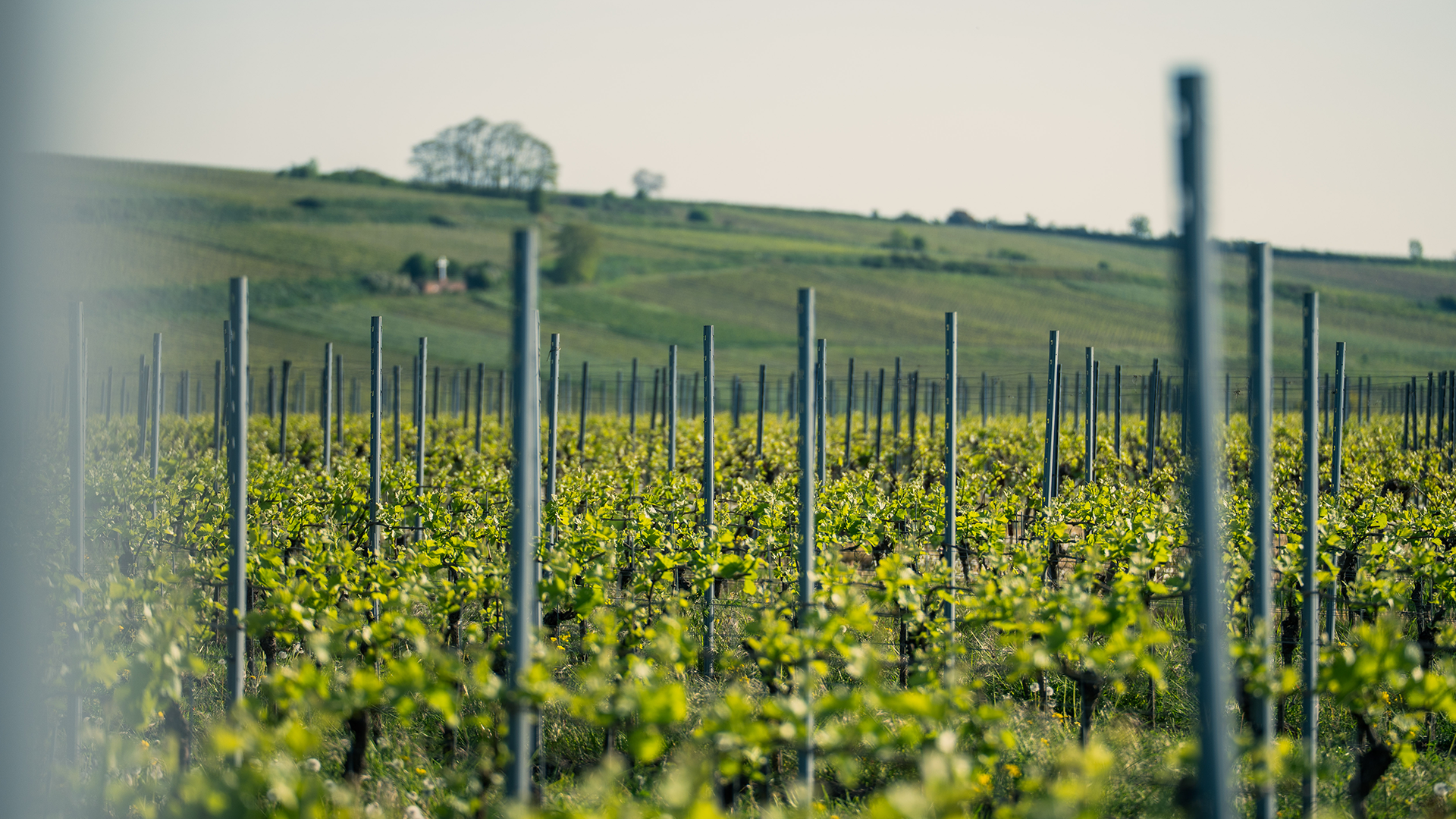
Throughout the year, everything at Weingut Dreissigacker revolves around the best wine quality. First of all, the focus is on the vineyard with the optimal soil quality, the protection of the vines, the reduction of yields and the optimal harvest time. The biodynamic cultivation of our vineyards demands a lot of attention and understanding for the natural cycle. After the harvest, the Dreissigacker team continues with full focus in the cellar. The wines are aged, assembled and finally bottled. In the Dreissigacker Academy, we show how a vintage is created over the entire wine year.

Preparation for the harvest

Preparations for the new vintage

From the perfectly tended vineyard to the carefully prepared cellar. Even before the first grapes arrive, the cellar is tidied up and polished to a shine. To make room for the new vintage, we bottle the ripe wines that have been stored on the fine yeast. Emptied and thoroughly cleaned, the barrels and tanks are waiting to receive the wines of the 2023 vintage.

On it's way

Vintage 2023 - when 80 hands give 100 percent...

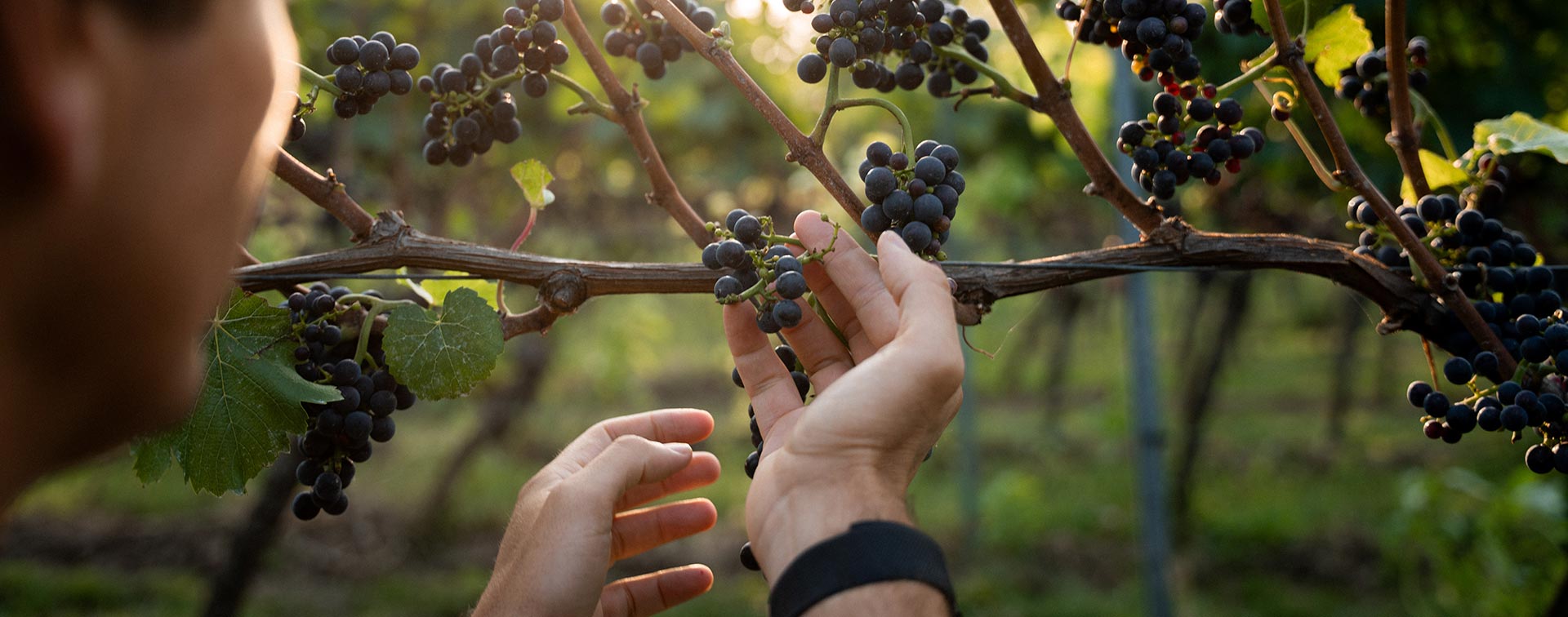
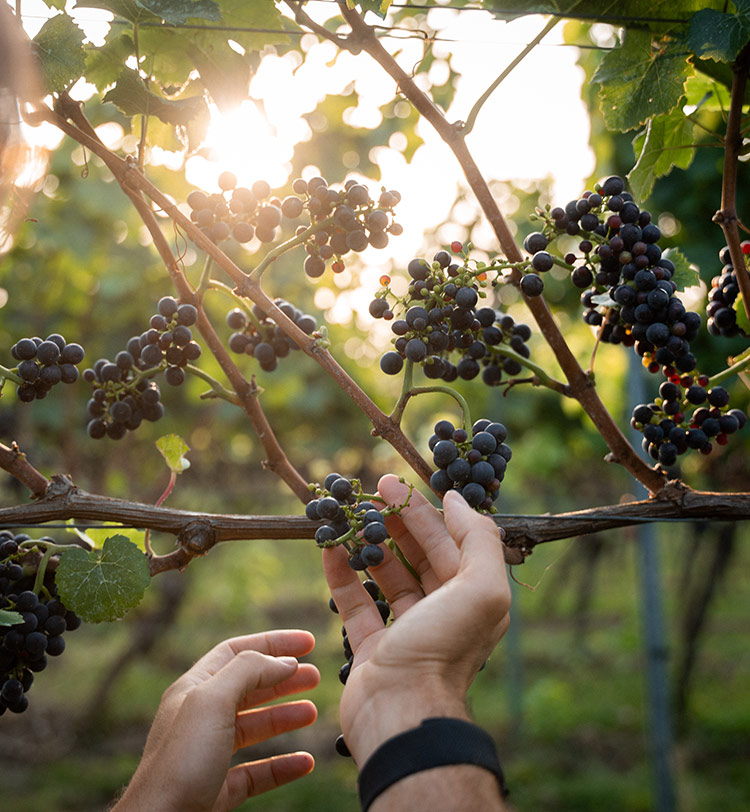
More than 40 people are involved in the harvest every day. 80 eyes and 80 hands meticulously selecting the best grapes. The Pinot Gris in particular required intensive selection - only the healthiest and most concentrated berries are allowed to become part of the new 2023 vintage. The Pinot Blanc, Chardonnay and Pinot Noir grapes are also waiting to ripen in the cellar with outstanding quality thanks to the previous care and precise harvesting. The grapes are characterized by concentration and promise to be full-bodied wines with a strong character.

low yields, outstanding qualities

Riesling harvest

The Rieslings ripened this year under special weather conditions, which on the one hand contributed to the concentrated flavour, but also made a significant reduction necessary. Although this means that we can expect extremely low yields, we can also expect outstanding Riesling qualities. Even though the summer persisted for a long time and gave our grapes an extra dose of sunlight, we are now finally heading towards autumn. For our vineyards, the moderate temperatures mean optimal conditions for the harvest. Over the next two weeks, we will have gradually walked each plot several times in some cases, picked each grape and sent each berry to its destination.
So far, the 2023 vintage has been characterized by uncompromising yield reduction. A method that brings out the character of the different grape varieties and individual vineyard sites in the finest detail - and a procedure that requires not only many, but above all conscientious and detail-loving harvesters. Thanks to the combined efforts of an irreplaceable team, we can look forward to an exceptional collection.

Sensitivity and concentration

Gentle processing

The first grapes of the new vintage have already arrived at the winery. Once there, the grapes are gently pressed with the feet for a short maceration period. They are then gently pressed. Using this thousands of years old technique, we extract the aromas, color and tannins without damaging the grape seeds. In this way, only the flavourful components of the grape come to the fore. We also take a gentle approach to pre-clarification, working exclusively with sedimentation so that the full flavours are transferred to the barrels and tanks.
Fermentation then begins in the cellar. The team's full attention is required during fermentation control. It is observed, monitored and analysed to ensure that the fermentation process achieves the best possible results for our wines. The red wines are fermented on the skins. By regularly - but gently - submerging the mash, we extract even more color and aromas. Just like the harvest, the processing of our wines requires full concentration and sensitivity. A feat that can only be accomplished with a dedicated team.

A years end

Wine year 2023

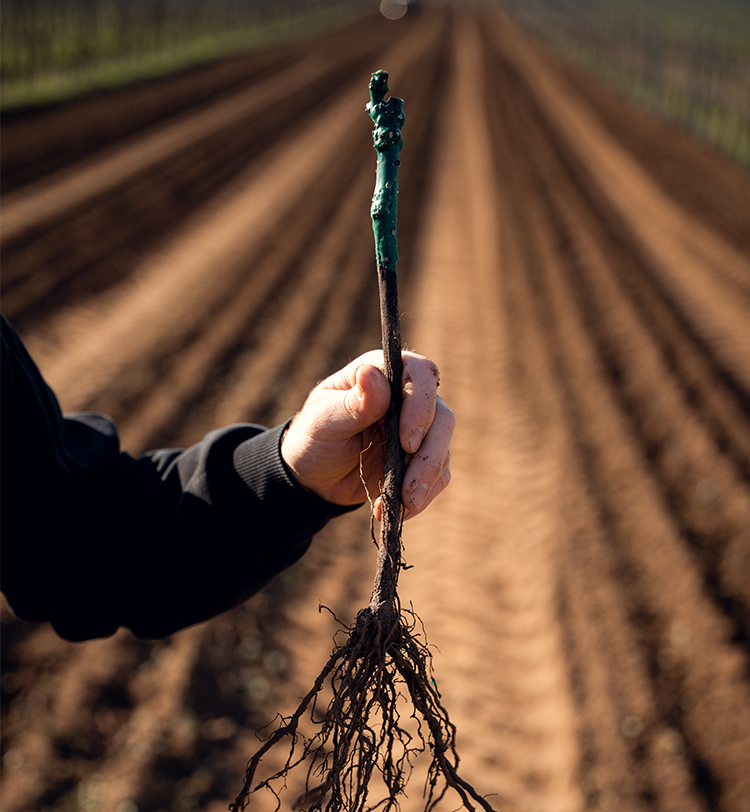
As our wine year draws to a close, some of our old vines are also reaching the end of their life cycle. They have done their duty and are carefully removed by hand. In their place, fresh, young life can move in in the new year. We loosen the soil between the rows of vines to create the best possible conditions for the upcoming young vines and to give the existing vines a well-deserved winter rest. We then return the wood from the old vines, which has nourished them for so long, to the vineyard soil. This closes the biodynamic cycle.
So while we are already looking firmly towards 2024 in the vineyard, we are focussing on 2023 in the cellar, tasting the still young wines, monitoring and recording their development and setting the optimal course for an outstanding 2023 vintage.

Neubeginn

A new year with Dreissigacker

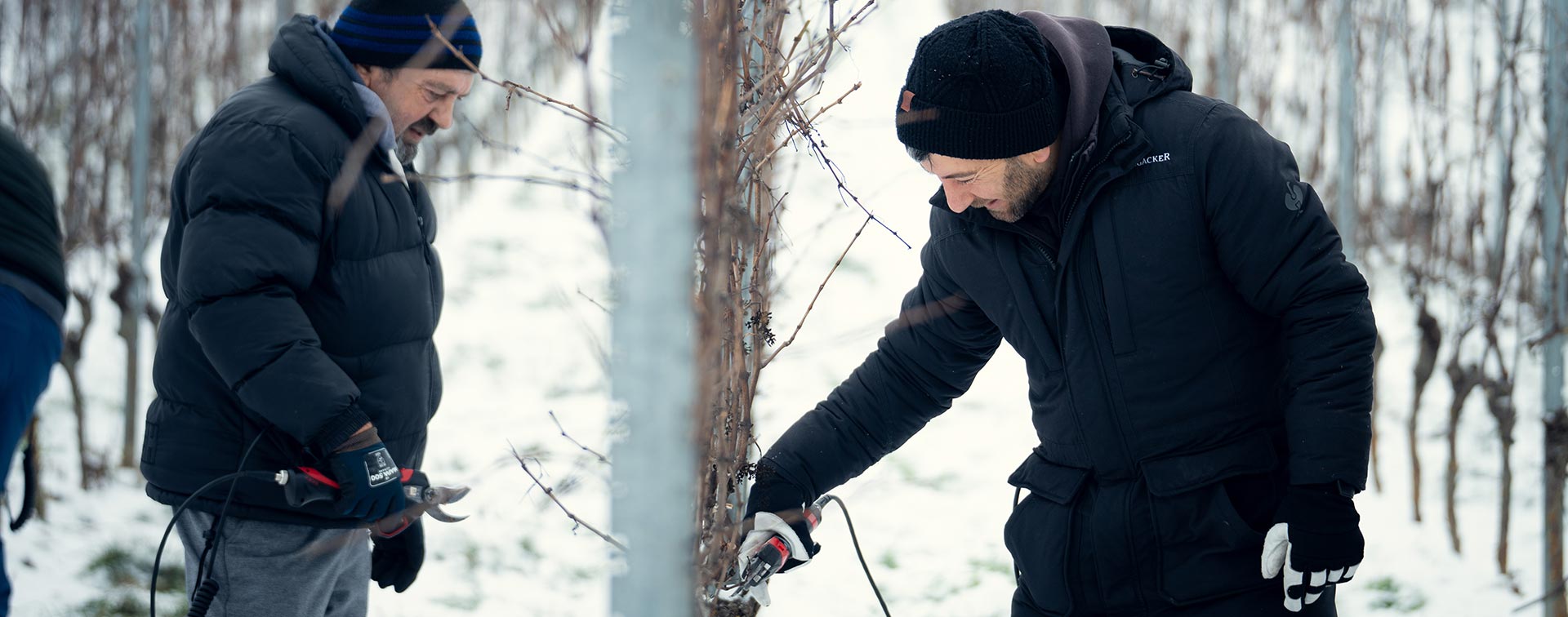
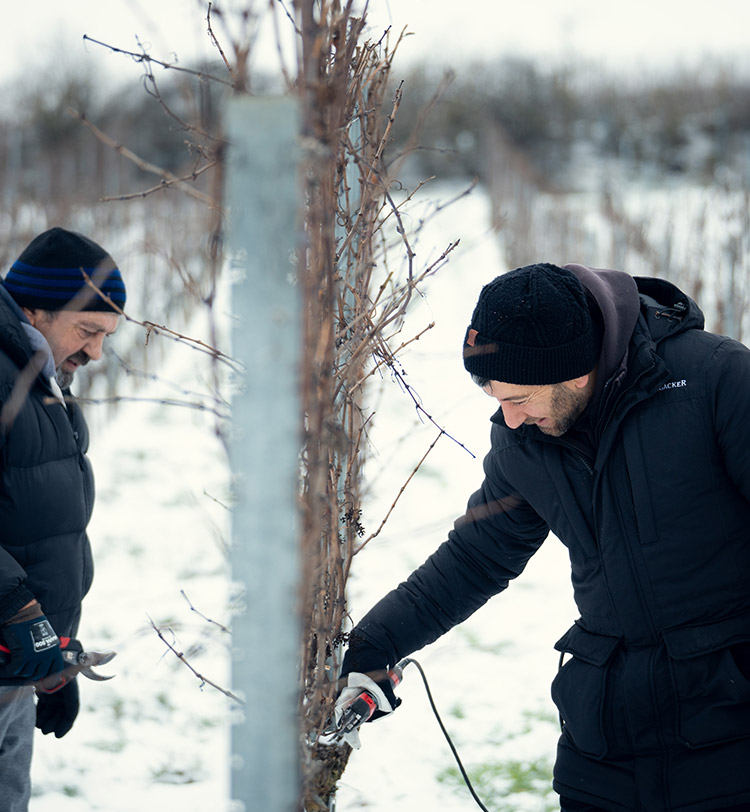
Over the next few weeks, we will give you an insight into the creation of the new 2023 vintage - the highest levels of concentration, dedication and attention to detail are what count when making cuvées. In the vineyard, our team has been busy pruning the vines since the beginning of winter - the foundation stone for all future vintages. Each vine is reduced to a single shoot so that it can develop its full vitality. The pruned vines remain in the vineyard as chopped material and form the basis for our humus. In this way, they are fed back into the cycle. As soon as the pruning work is complete, we carefully tie the vines to give them sufficient stability for growth.

Biegen und Binden

Support and strengthen

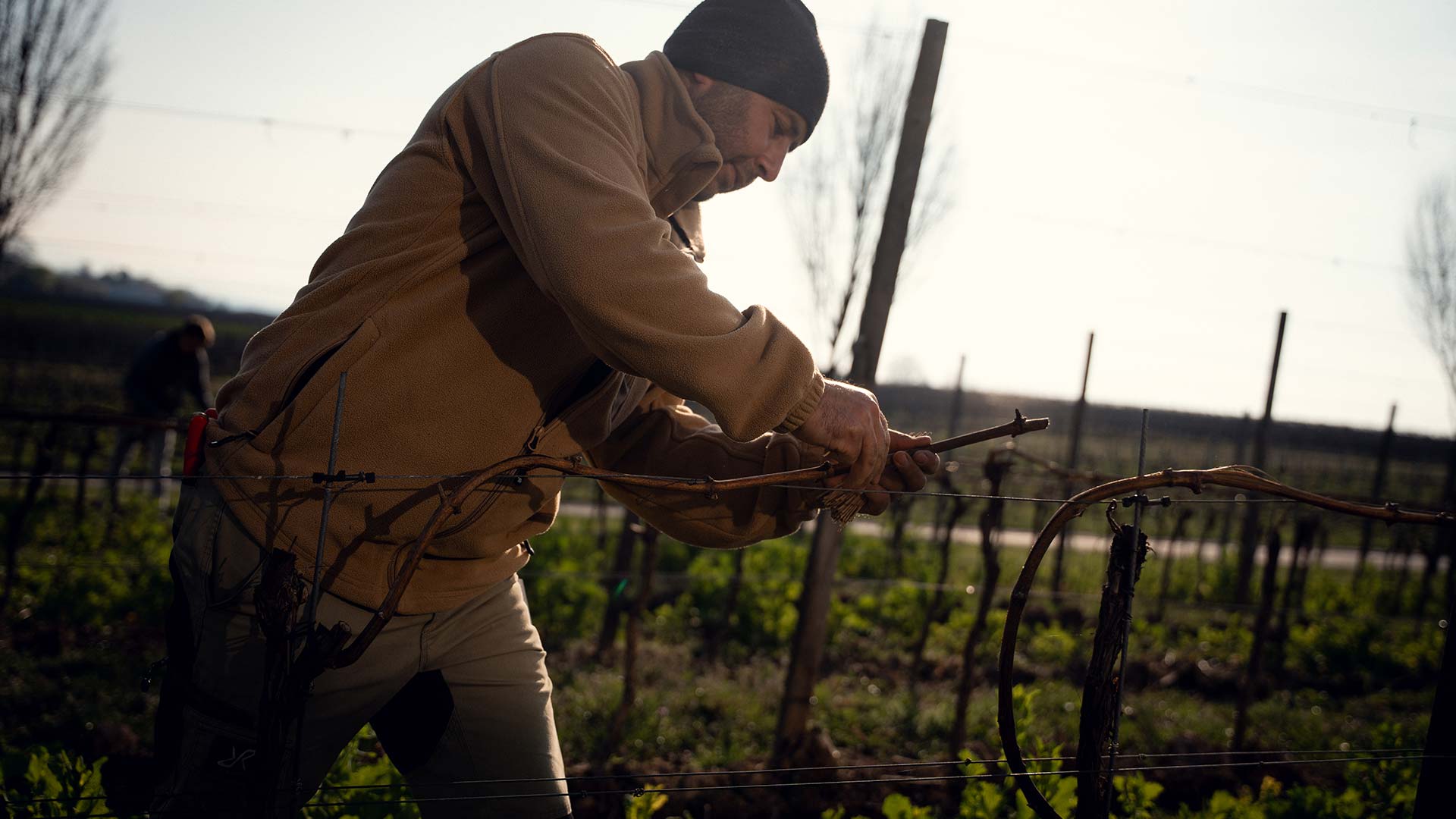
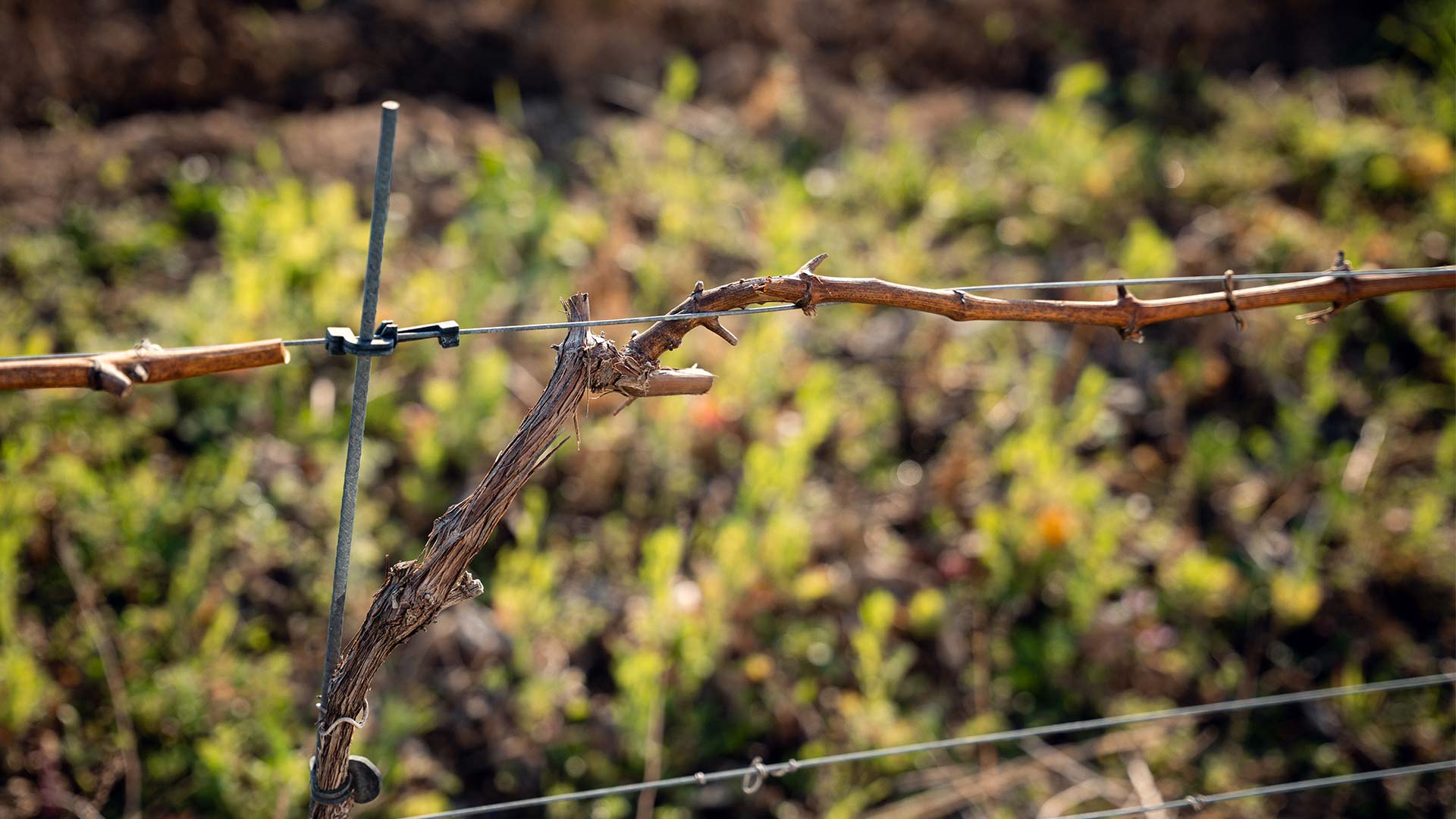
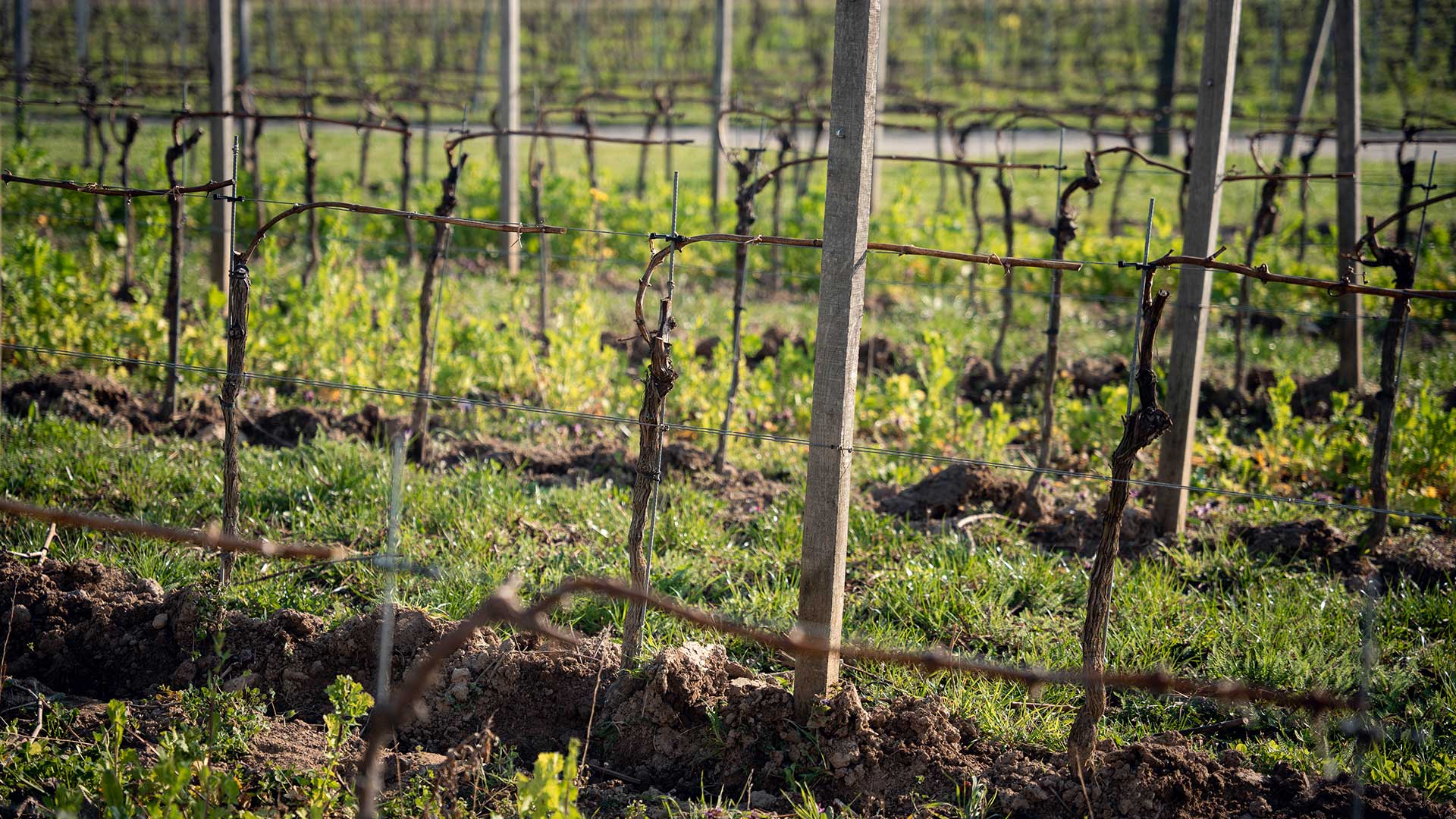
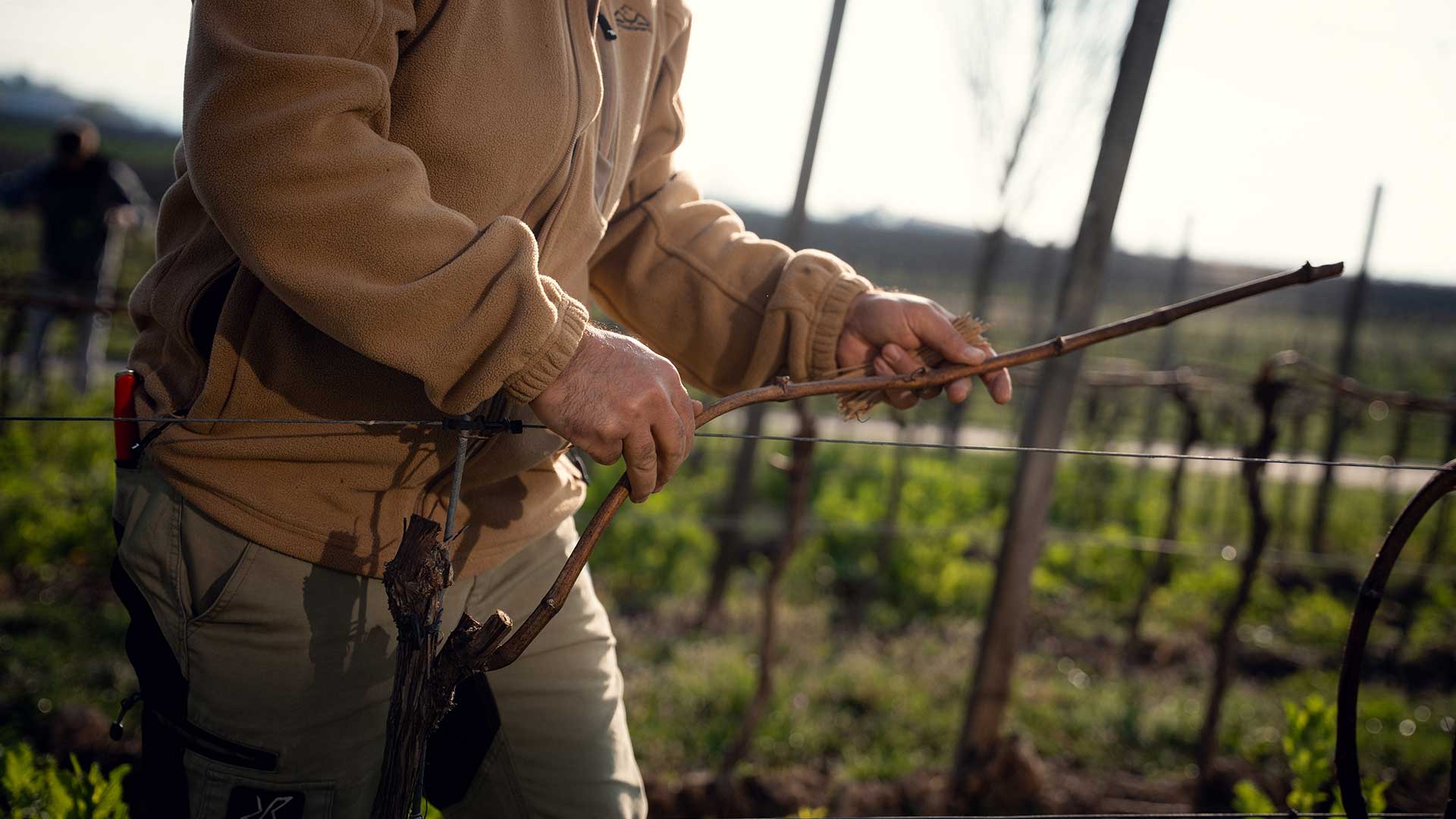
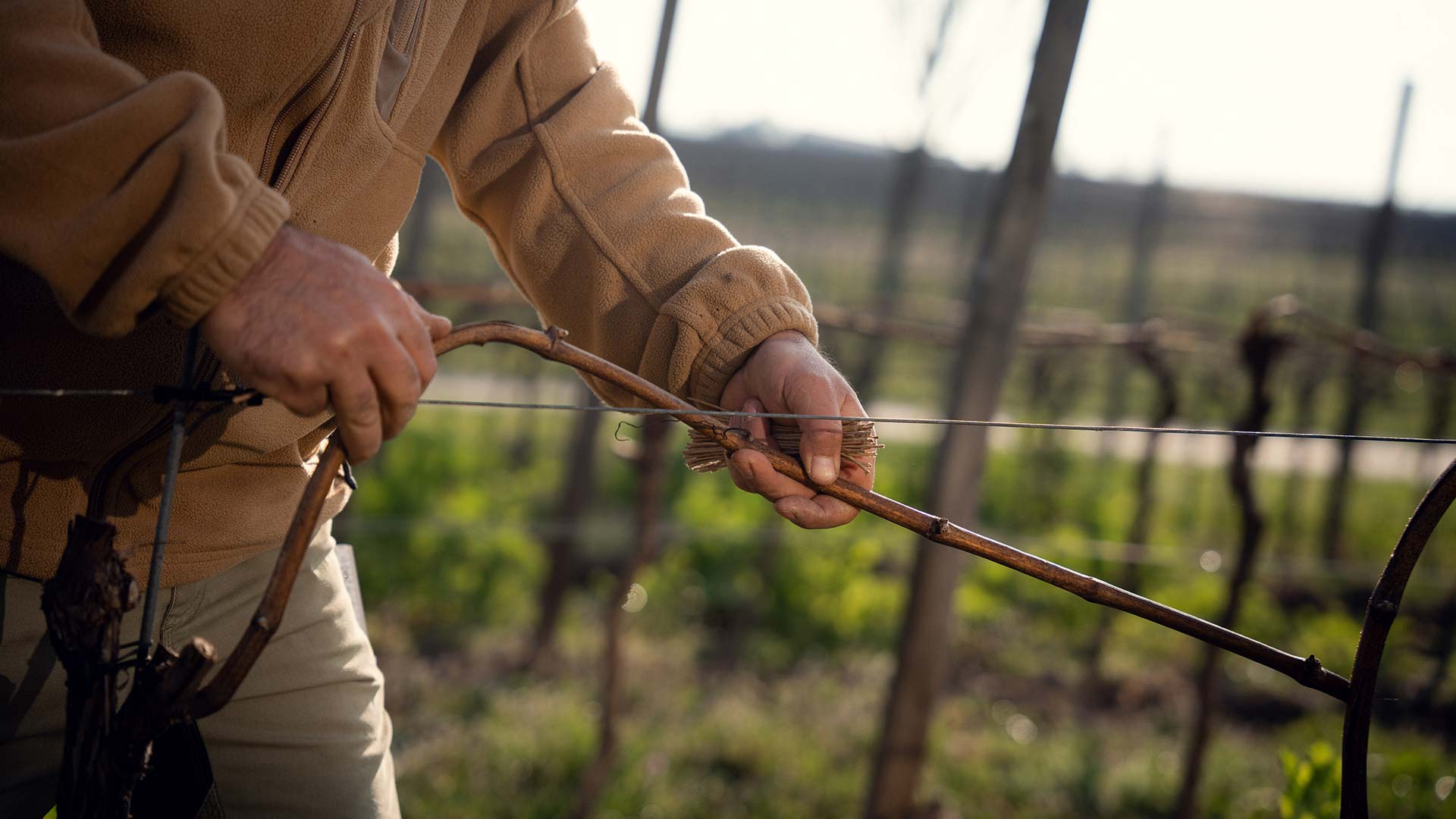
The pruning was not so long ago. The vines were reduced to a single promising shoot. This bundles the entire vitality of the soil in itself and the grapes that will one day grow on it. All other shoots were uncompromisingly removed. After countless targeted cuts, the vines are finally tied up. To ensure that the berries and foliage have sufficient support on the chosen fruit cane in future, we stabilise it by tying it to the wire frame. To do this, it must first be bent over the wire. Bending requires a special degree of experience, skill and feeling. - Qualities that we can attribute to every member of #team30acker.
Support and strengthen

The pruning was not so long ago. The vines were reduced to a single promising shoot. This bundles the entire vitality of the soil in itself and the grapes that will one day grow on it. All other shoots were uncompromisingly removed. After countless targeted cuts, the vines are finally tied up. To ensure that the berries and foliage have sufficient support on the chosen fruit cane in future, we stabilise it by tying it to the wire frame. To do this, it must first be bent over the wire. Bending requires a special degree of experience, skill and feeling. - Qualities that we can attribute to every member of #team30acker.
Ausbringen der Pheromone

Ausbringen der RAK Ampullen

Ein gesundes Ökosystem schafft es, aus sich selbst heraus Kraft zu schöpfen, sich eigenständig gesund zu erhalten und zu stärken. Wir glauben an die Grundsätze der Biodynamie und greifen daher in unseren Weinbergen auch nicht invasiv in die natürlichen Vorgänge ein. Und doch bedarf es hin und wieder einem sanften Lenken in die richtige Richtung – oder in die falsche. So halten wir es zumindest mit den Schädlingen, vor denen wir unsere Reben schützen müssen. Um die kostbaren Pflanzen vor größerem Schaden durch den Traubenwickler zu bewahren, bringen wir Pheromon-Ampullen aus, die den Geruch des Traubenwickler-Weibchens verströmen. Auf diese Weise verliert allein der Schädling die Orientierung. Nützlinge und Natur bleiben hiervon unberührt. Wir nutzen die ureigenen Mittel der Natur, um sie zu schützen – und schließen auch hier einen biodynamischen Kreis.

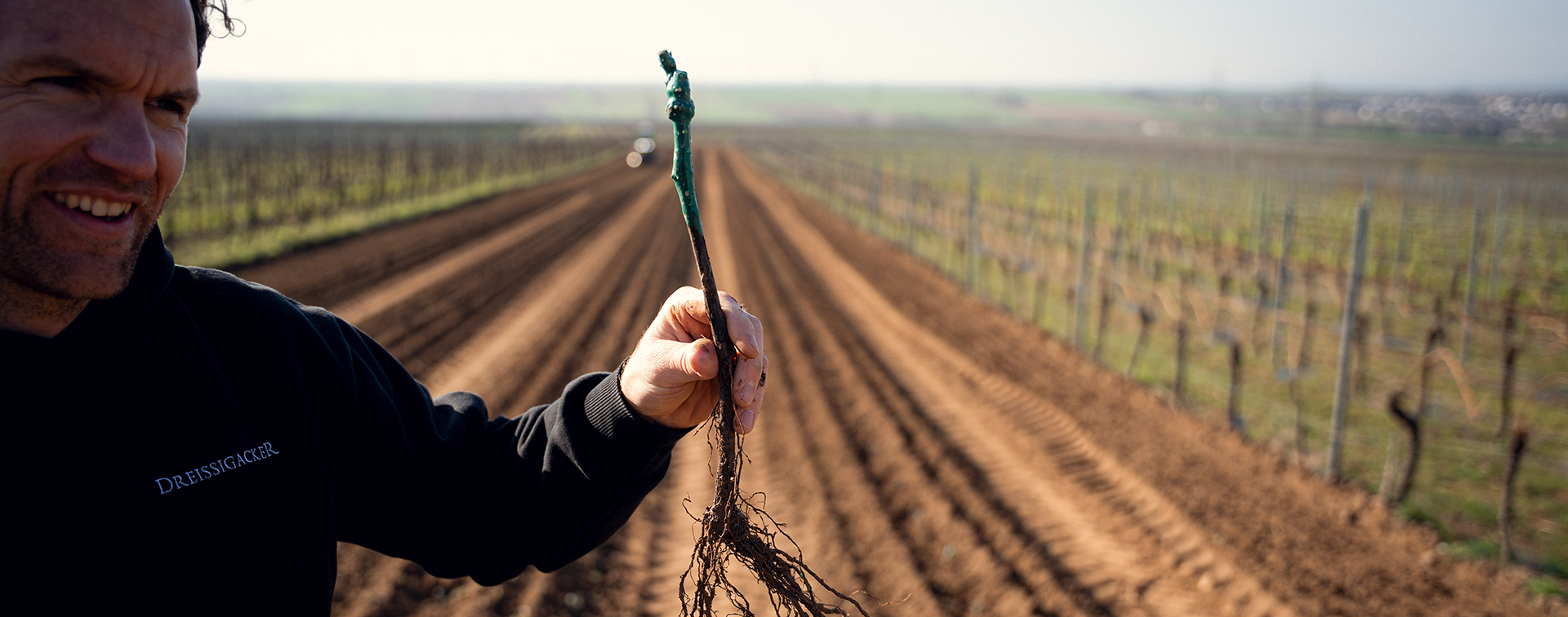
NEUPFLANZUNG

Affixing of pheromone ampoules

Pests are a fundamental problem in all agriculture units. As a winery working organically and close to nature, we categorically reject any kind of chemical pest control. Nevertheless, we have to protect our vines from pests like the grape moth without scaring away the beneficial insects. An effective and gentle method is the so-called confusion method. In this method, small ampoules are hung up all over the vineyards. These are filled with the pheromones of the female grape moth. A cloud of pheromones hovers over the vineyard, confusing the male grape moth in its search for a female. This method only prevents the reproduction of the pest and does not affect other living organisms or the plants themselves. 

Ertragsreduktion

Less grapes with higher quality

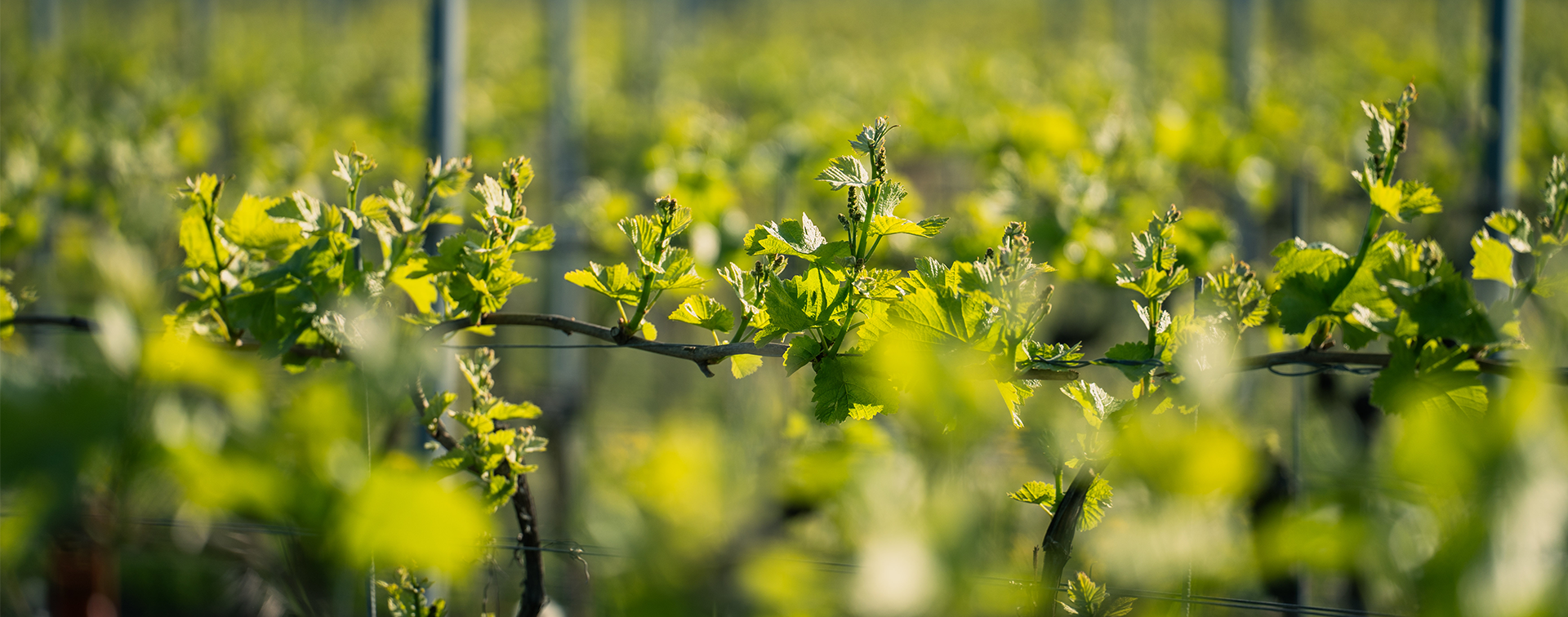
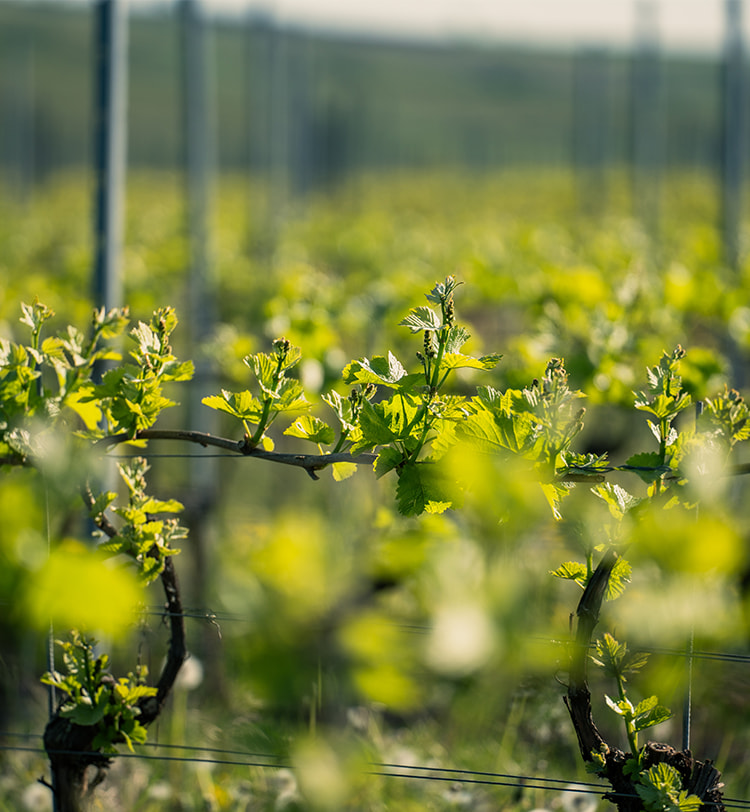
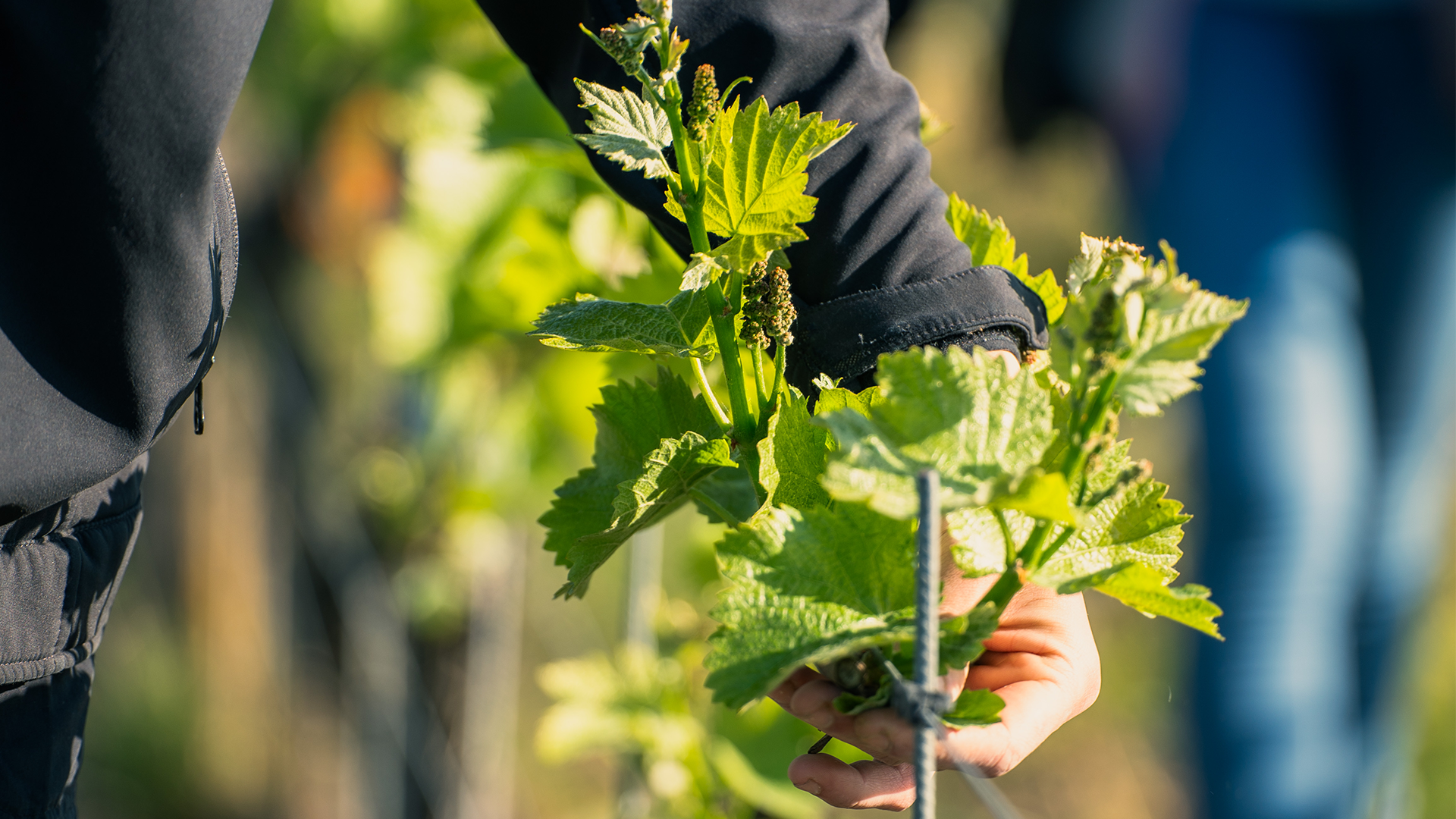
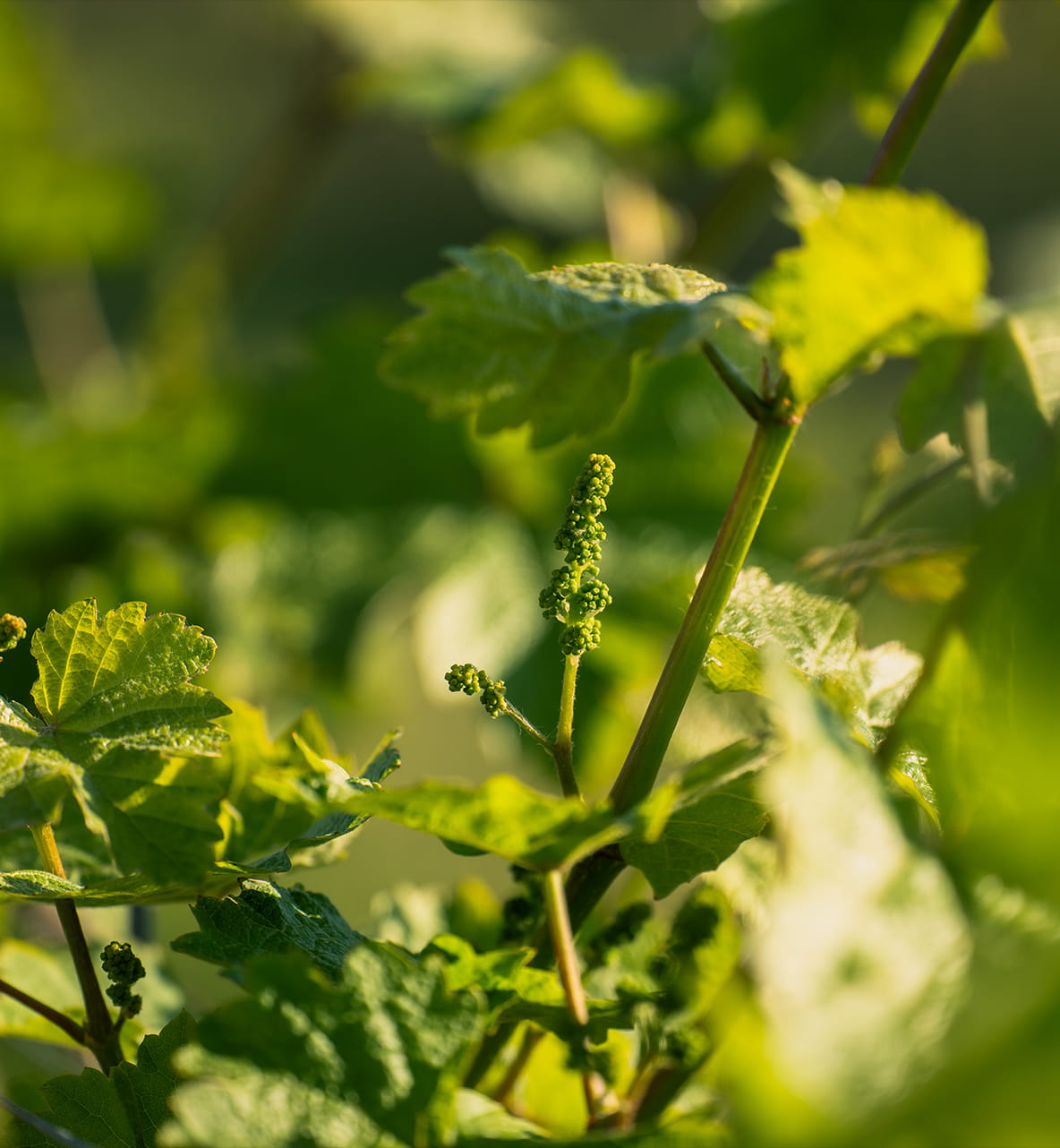
The vines sprout over the warmer days and especially nights. In order to obtain the best possible grapes and to protect the plants from disease in a natural way, the yield is reduced and so-called thickening is prevented. Reducing the yield means that double shoots are removed so that a single shoot can grow from each bud. This prevents competition for nutrients. Reducing the number of shoots results in fewer grapes, but they are of a higher quality. In addition, shoots that grow at an angle are removed to ensure that the foliage grows upright.  

Entwicklung

Foliage work

To ensure that the vines can continue to grow magnificently and, above all, healthily, the Dreissigacker team works continuously in the vineyards, caring for and protecting the plants. The vines are kept upright by means of wire tracks - week by week, the wires are adjusted to the height of the vines. In early summer, we have now reached the final wire height and it's time to defoliate. When defoliating, we remove a few leaves to ensure that the vines get enough sun and that the foliage grows nicely and airily. 

Biodynamie

Protection of vines and the environment

As temperatures rise, so does the need to protect our vines. This is a completely natural process. Changing weather conditions - rain, drought and heat - affect even the most robust plants.
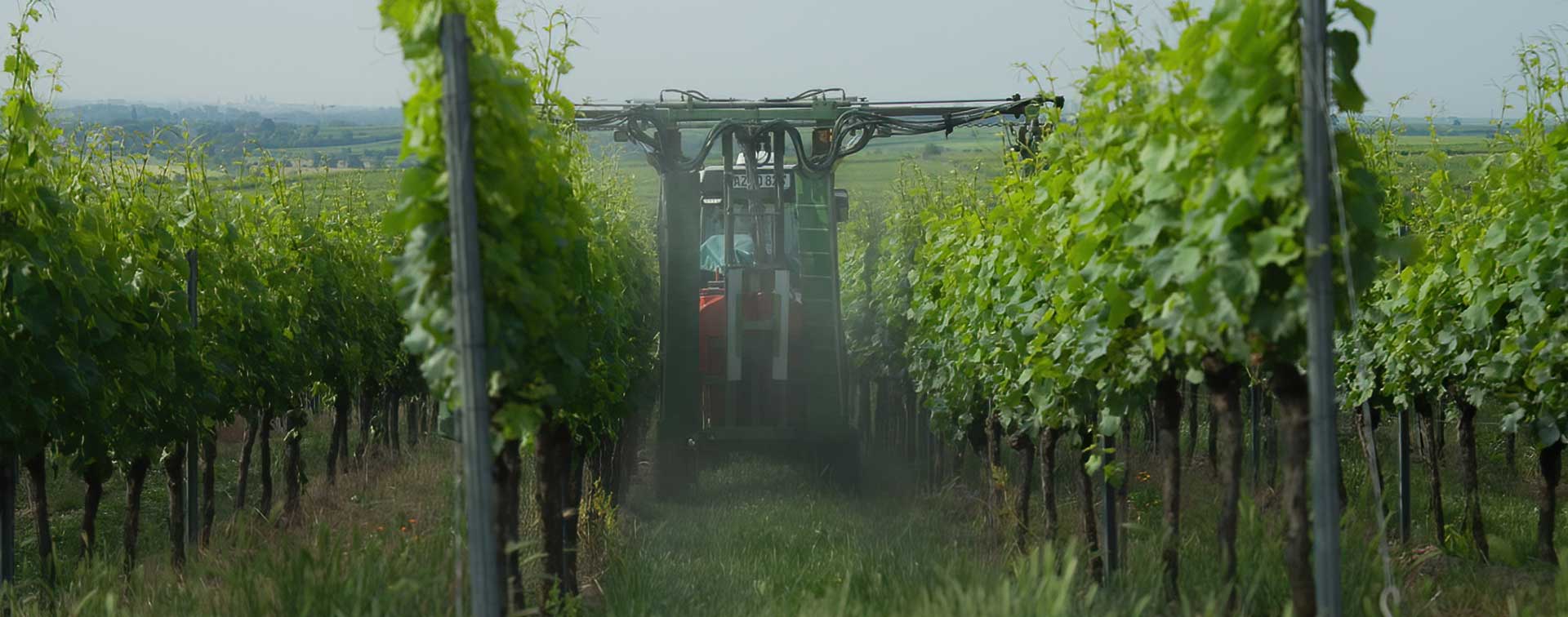
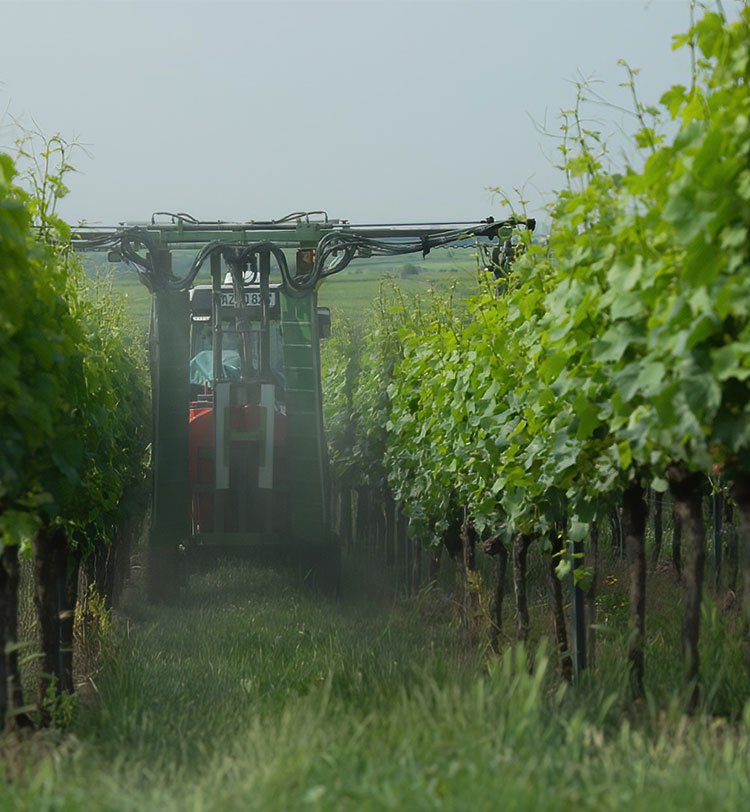
Unlike conventional viticulture, biodynamic viticulture relies on organic contact agents to protect the plant. In contrast to synthetic sprays, these natural preparations do not penetrate the vine. Potato protein serves as an adhesive and merely forms a protective layer that is washed away by the rain. We do not only renew the protective layer after rainfall. We apply the heat-sensitive protective agent at least every seven days - in fact every seven nights - so that the growing parts of the plant are also protected immediately.
We make an enormous effort around the clock to offer our vines the best possible protection, to strengthen them in a gentle way and to act in harmony with the ecosystem of our vineyards. And as with all our efforts, it pays off. 

Blüte

In bloom

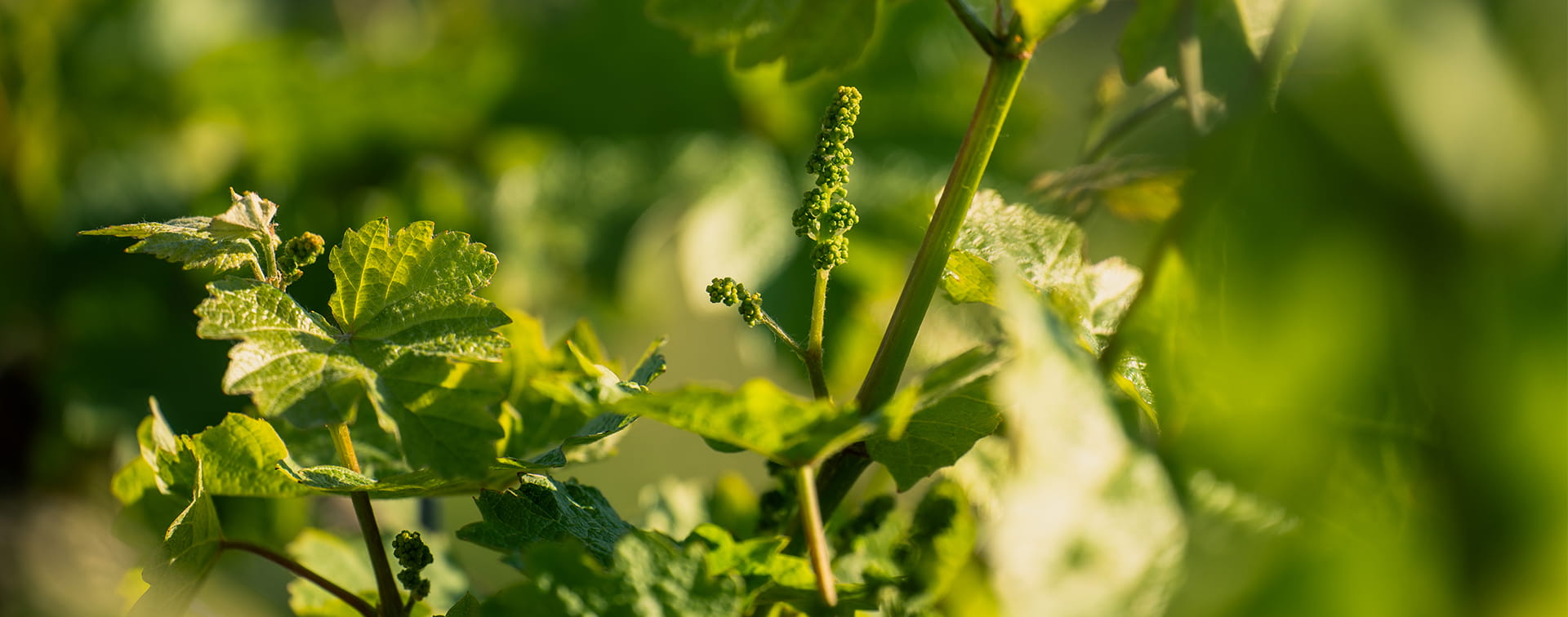
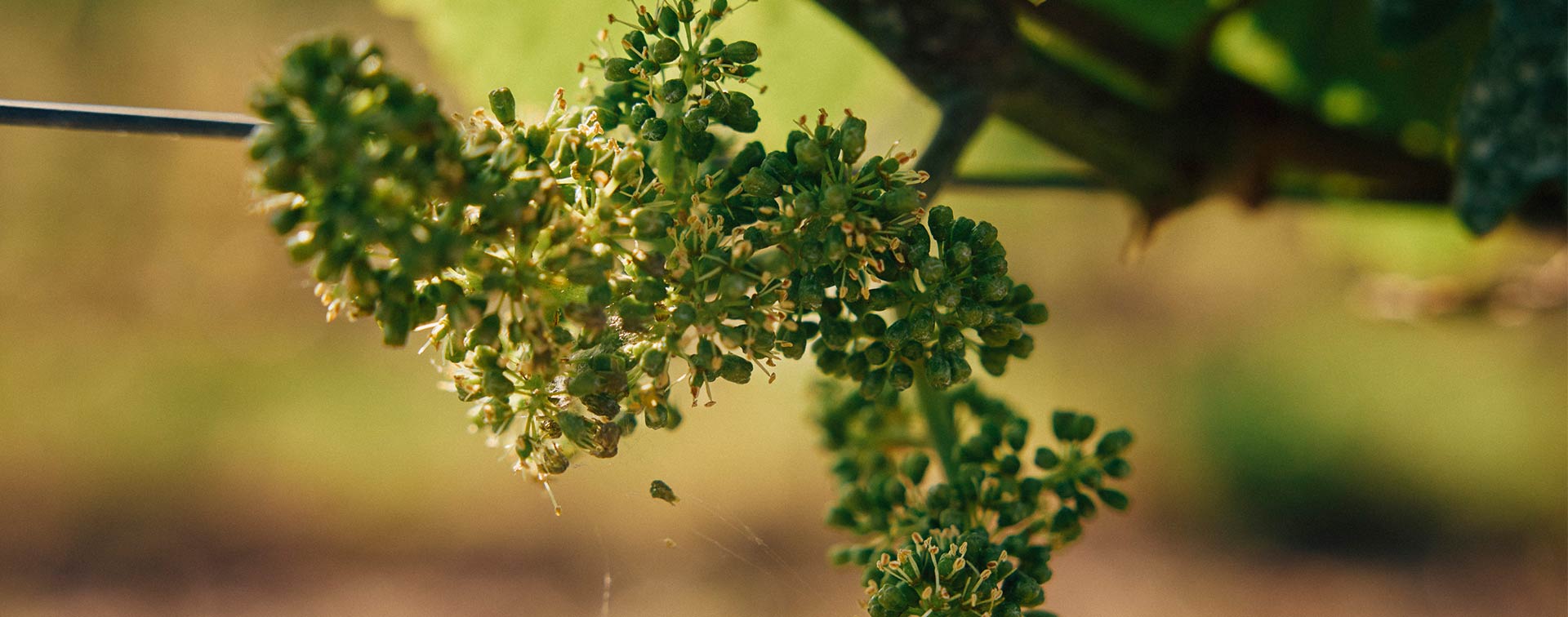
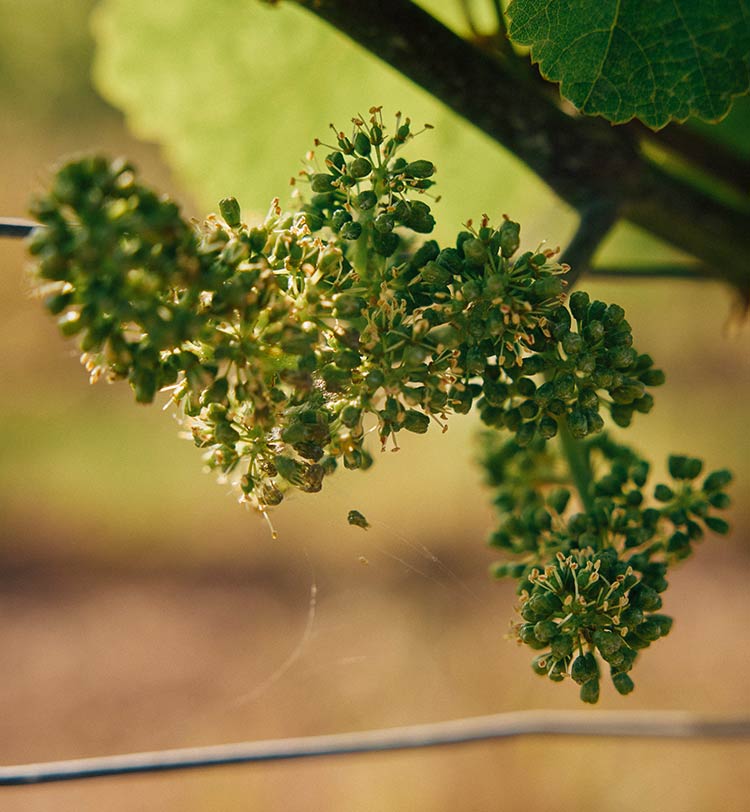
It is delicate, modest, almost inconspicuous - and yet so important for us: the flowering of the vines. After a cool spring, one of the most sensitive phases in viticulture begins in the vineyard. After all, one of the precious grapes develops from each individual blossom. The abundance of blossoms thus determines the yield of the wine year. However, the blossom only develops if it finds the perfect conditions.
The weather in Rheinhessen, and in particular the microclimate of our vineyards, is kind to the vines. Persistent warmth and sufficient rainfall stimulate the plants and allow them to blossom. A promising sight. 

AUSBRECHEN

WENN DIE REBE FORM ANNIMMT

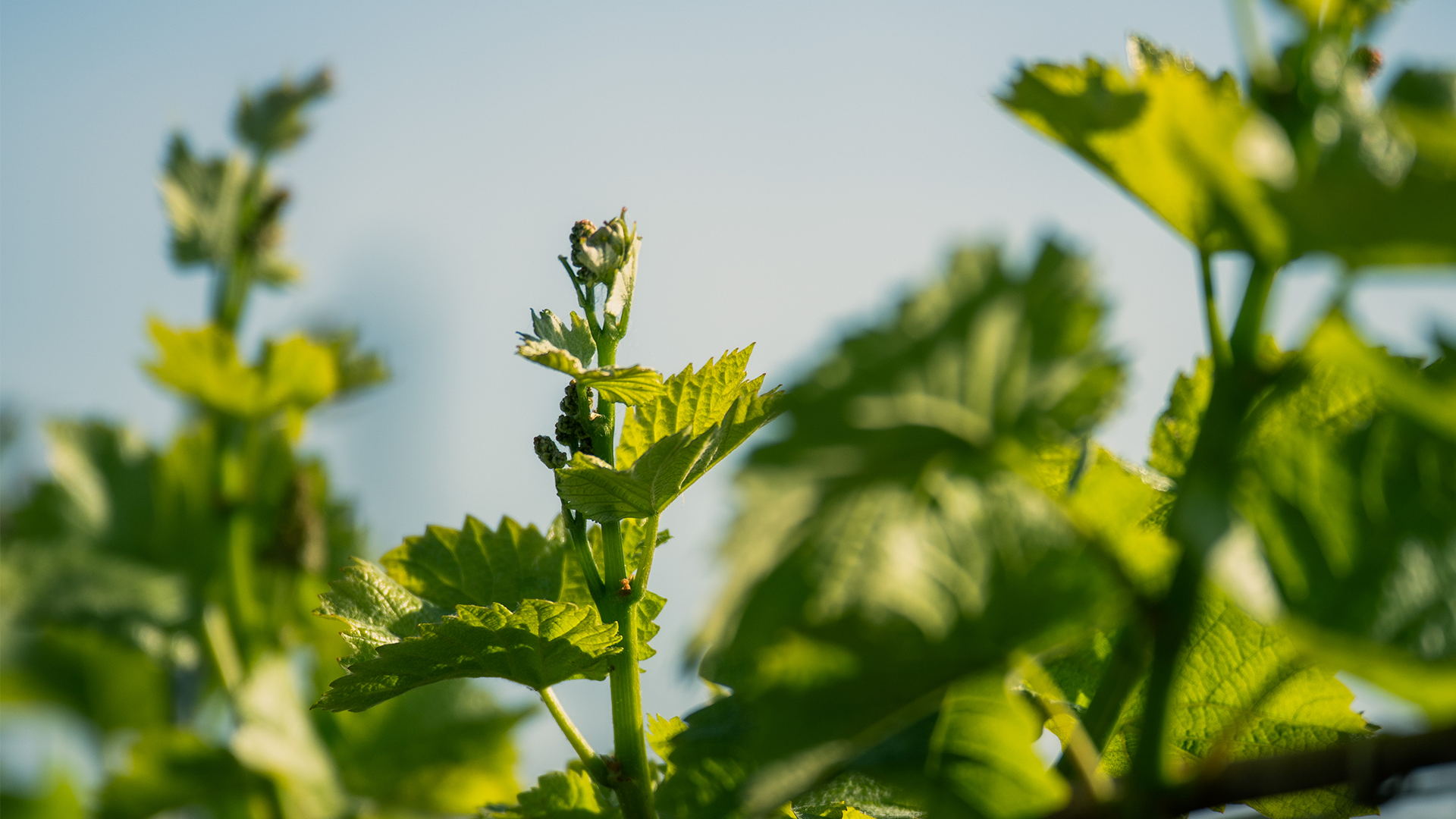
Das Ausbrechen zählt zu den ersten qualitätsprägenden Maßnahmen im Weinberg. In dieser frühen Wachstumsphase beginnt die Rebe kraftvoll auszutreiben. Aus den Knospen – den sogenannten Augen – entstehen dabei nicht selten zwei oder mehr Triebe.

Diese Doppeltriebe verdichten das Wachstum und erhöhen den potenziellen Ertrag. Was zunächst vielversprechend klingt, kann sich später nachteilig auf die Qualität auswirken. Denn die Trauben brauchen im Sommer vor allem eines – Luft.

Ausbrechen per Handarbeit im Weinberg
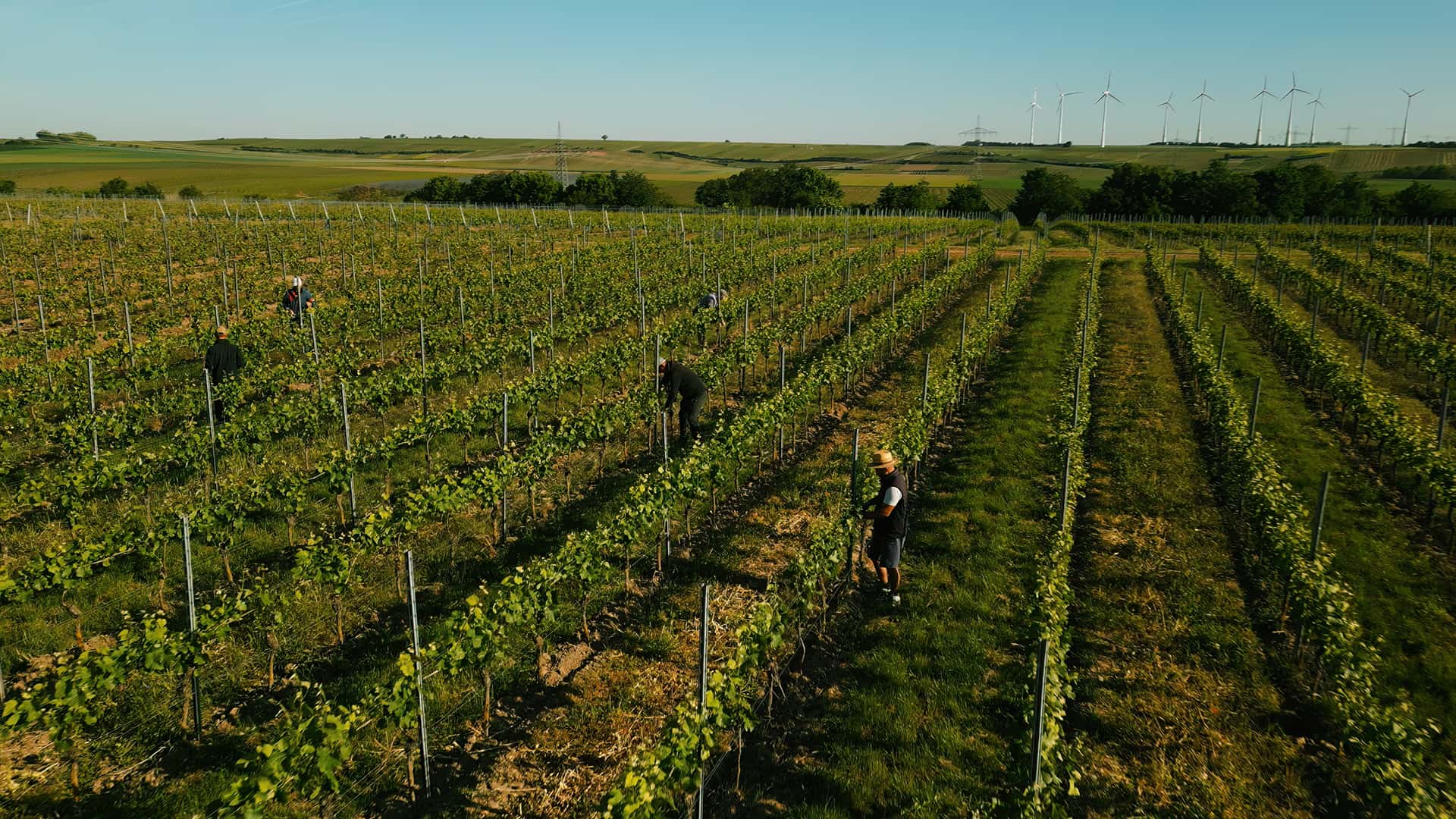
Weinberge Bechtheim
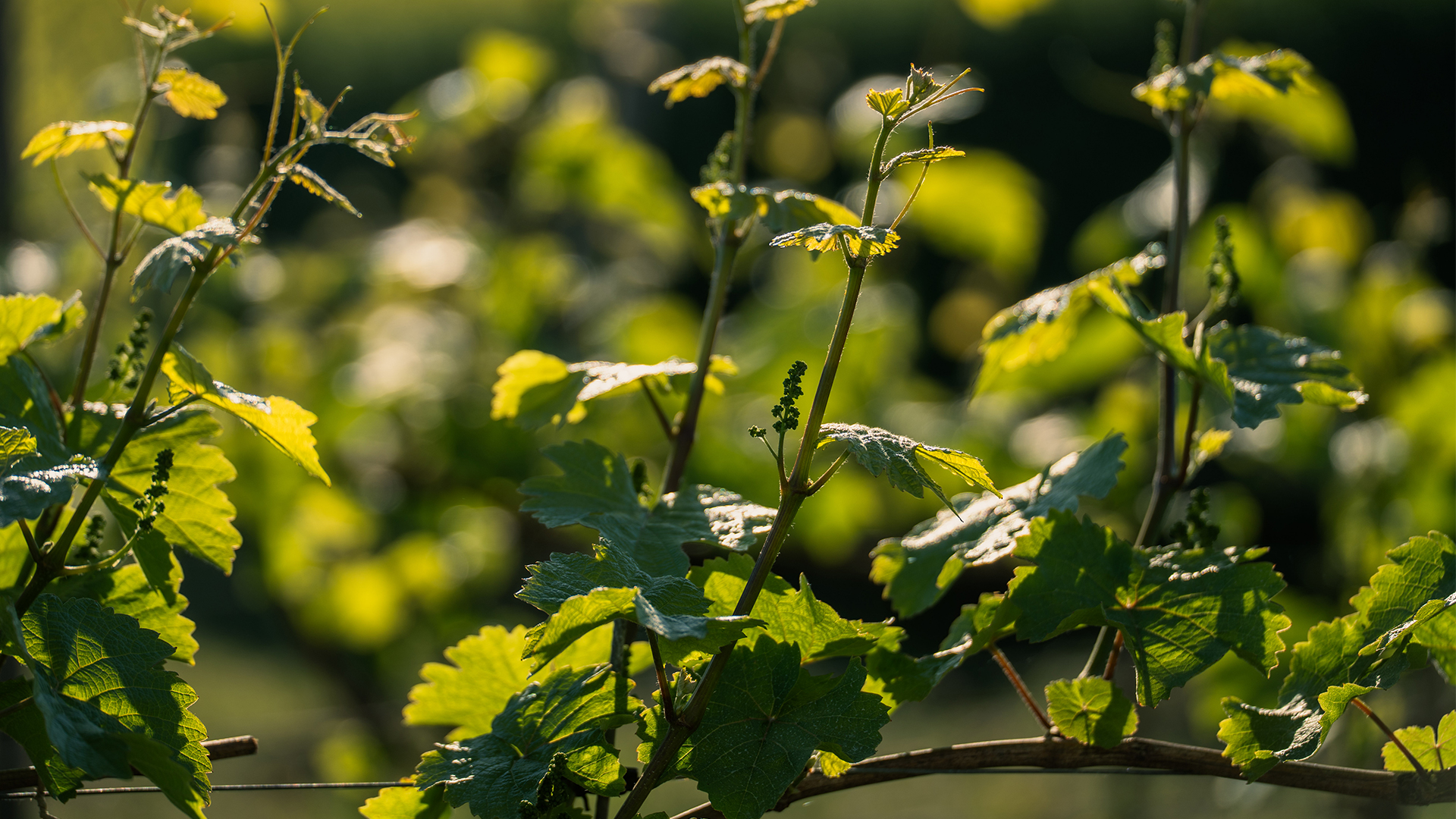
Austrieb von Reben im Frühjahr
Mitarbeiter beim Ausbrechen im Weinberg

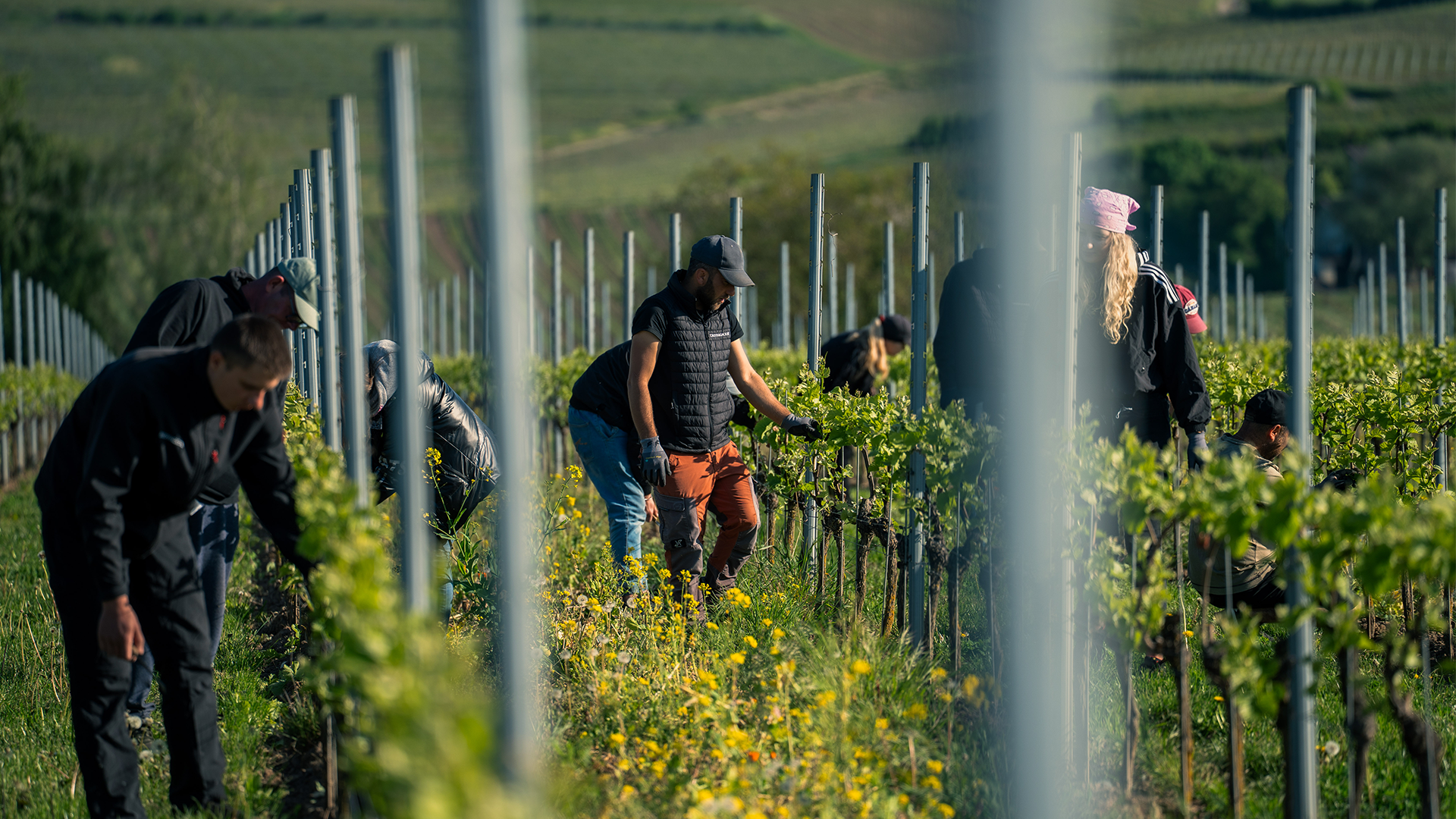
Beim Ausbrechen entfernt das Team gezielt überzählige, schwache oder ungünstig stehende Triebe. So bleibt die Laubwand locker und gut durchlüftet, was für eine schnelle Abtrocknung sorgt. Besonders im ökologischen Weinbau ist das entscheidend: Eine durchlüftete Rebe ist weniger anfällig für Pilzkrankheiten, und Pflanzenschutzmaßnahmen greifen gezielter.

HEFTEN

IM TAKT DER TRIEBE

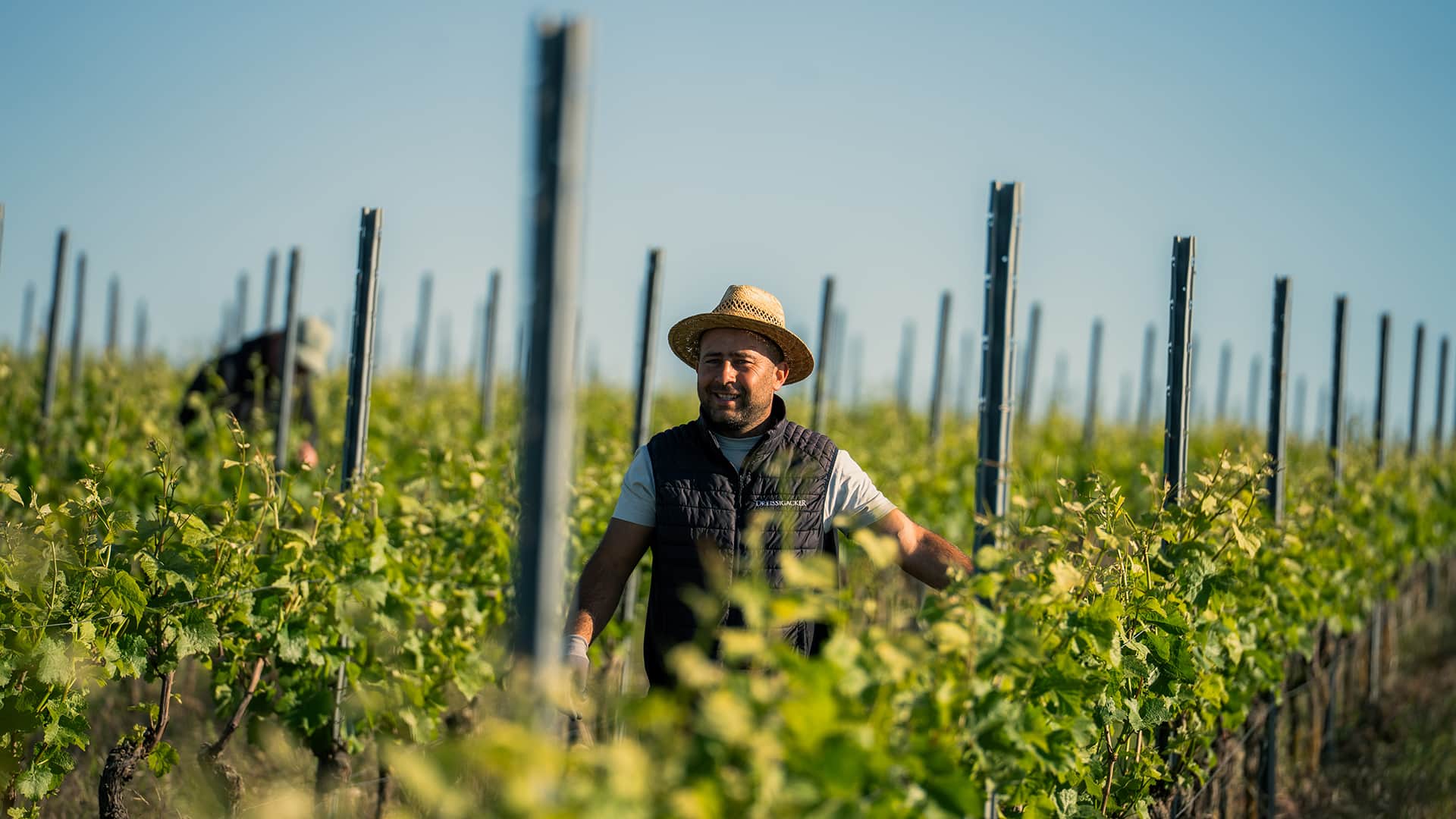
Das Heften zählt zu den wiederkehrenden, strukturgebenden Arbeitsschritten im Weinberg. In einem Rhythmus von acht bis zehn Tagen widmen wir uns jedem einzelnen Rebstock - bis sich die Laubwand gegen Ende Juni vollständig geschlossen hat. Der Rebstock wächst kraftvoll dem Licht entgegen. Unsere Aufgabe ist es, dieses Wachstum zu begleiten und in Form zu bringen. Mithilfe von Haftdrähten formen wir eine aufrechte, gleichmäßige Laubwand. 
Winzer im Weinberg beim Heften
Rebe im Weinberg an Draht
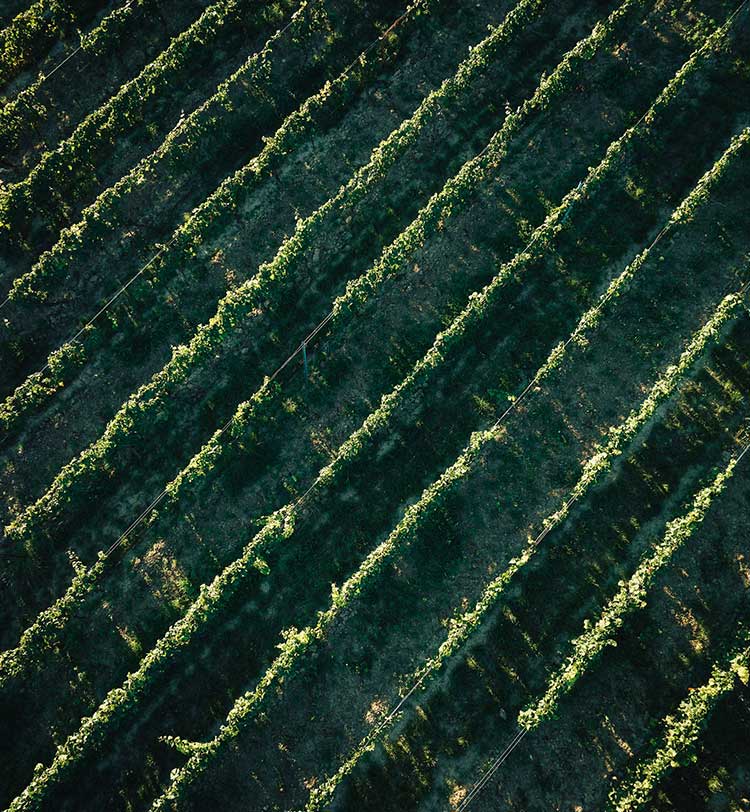
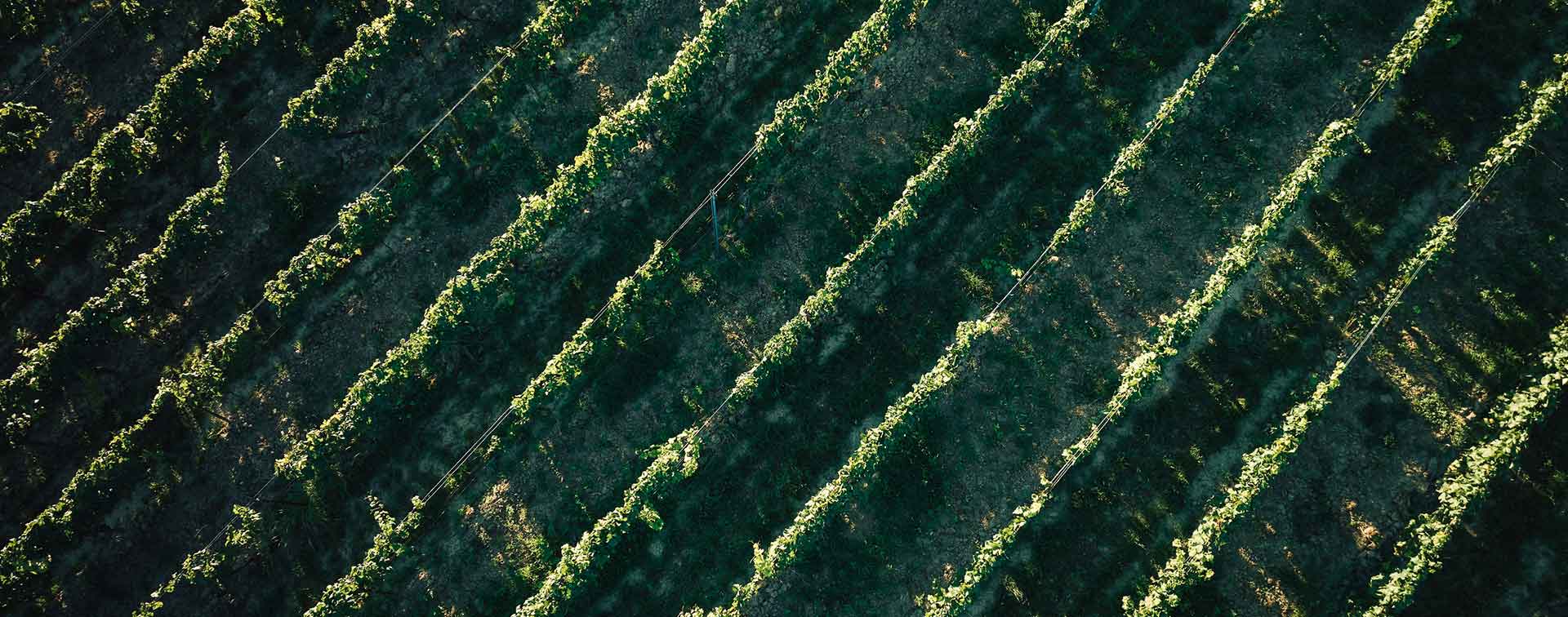
Drohnen Aufnahme von den Weinbergen
Die jungen Triebe werden sanft eingefasst, fixiert - und immer wieder neu geführt. 
Was jetzt geordnet wird, zahlt sich später aus: Eine offene Struktur sorgt für mehr Luft, mehr Licht und schafft optimale Bedingungen für gesundes, hochwertiges Lesegut. 

Blüte

IN VOLLER PRACHT

Zart, fast unscheinbar – und doch von größter Bedeutung: Die Rebblüte hat begonnen.
Im Weinberg erleben wir gerade eine der sensibelsten Phasen des Jahres. Aus jeder einzelnen Blüte kann eine wertvolle Traube entstehen. Die Blütenfülle gibt bereits einen ersten Hinweis auf den möglichen Ertrag dieses Jahrgangs.
Damit sich die Blüte entfalten kann, braucht es Wärme und Feuchtigkeit. Und genau diese Bedingungen finden unsere Reben derzeit in den rheinhessischen Lagen vor. Das Wetter zeigt sich stabil, das Mikroklima spielt mit – ein verheißungsvoller Beginn.

Entblättern

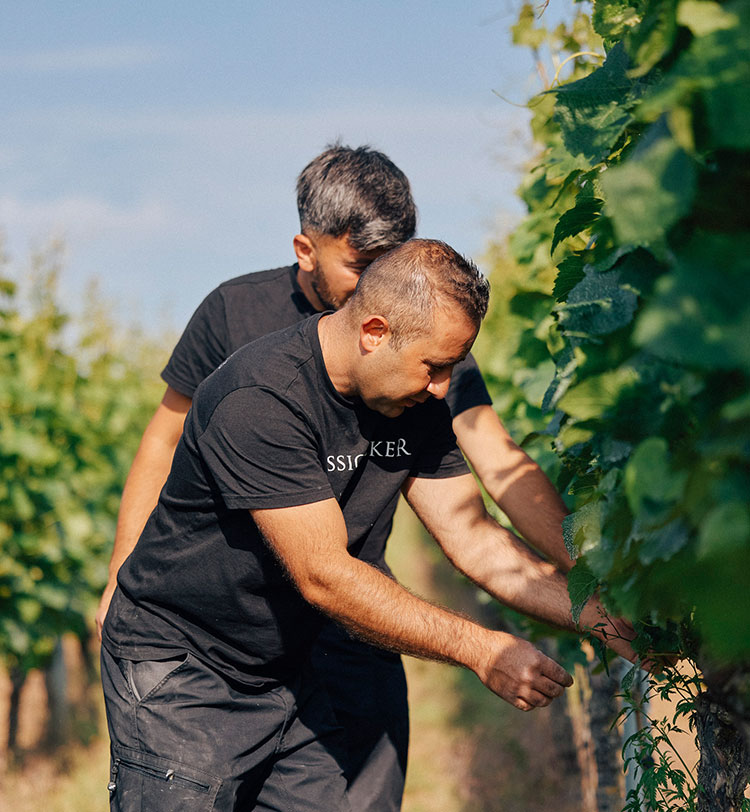
Aktuell widmet sich unser Team einer der entscheidenden Arbeiten im Weinberg: dem selektiven Entblättern. Im ökologischen Weinbau zählt auch in diesem Fall das genaue Hinsehen und individuelle Handeln.
Bei unseren Weissweinen bleibt bewusst mehr Laub stehen. Einige innere Blätter und einzelne vor den Trauben werden gezielt entfernt. Das schafft ein ausgewogenes Mikroklima: gut durchlüftet, aber gleichzeitig geschützt vor direkter Sonneneinstrahlung. So bewahren wir die Frische und Eleganz, die unsere Weissweine auszeichnen.
Bei den roten Rebsorten gehen wir gezielter vor: Hier wird beidseitig entblättert – auf der Sonnen- und der Schattenseite. Die Beeren kommen früher mit der Sonne in Kontakt, bilden robustere Schalen und entwickeln intensivere Aromen. Ein wichtiger Schritt für Struktur, Reife und Komplexität – und damit für kraftvolle, charakterstarke Rotweine.

Wickeln

CONCENTRATED GRAPE QUALITY THROUGH CAREFUL HANDWORK

Our aim is to encourage healthy growth throughout the vine, from root to leaf. This is why we do not prune the shoots in our top vineyards, but simply wrap them carefully around the trellis. Nutrients from the soil are distributed throughout the vine, rather than flowing directly into the grapes. As a result, the berries remain smaller and are much more concentrated. We then defoliate the vines in order to achieve the optimum balance between ventilation, sunlight and shade. Only in this way can the grapes ripen healthily.  

Pflanzenschutz

IM EINKLANG MIT DER NATUR

Bei den bereits sommerlichen Temperaturen kümmert sich das Dreissigacker Team mit vollem Einsatz um den Schutz unserer Weinstöcke. Dabei ist unser Team Tag und Nacht mit vereinten Kräften in den Weinbergen aktiv. Denn das natürliche Pflanzenschutzmittel ist sehr hitzeempfindlich und daher ungeeignet für das Ausbringen am Tag. Auch Regen fordert die ganze Aufmerksamkeit der Dreissigacker Mitarbeiter. Tritt Nässe auf, muss schnell reagiert werden. Zusätzlich wird dann Kartoffelprotein als Haftmittel in den Weinbergen ausgebracht, um die Weinstöcke natürlich und optimal zu schützen. Die Dreissigacker Philosophie, die Weinberge im Einklang mit der Natur zu bewirtschaften, setzt vor allem in Bezug auf Pflanzenschutz sehr viel Mühe und Engagement voraus. Am Ende zahlt sich der Mehraufwand aber in unseren Endprodukten, den biodynamischen Weinen, aus. 
Wickeln

KONZENTRIERTE TRAUBENQUALITÄT DURCH BEHUTSAME HANDARBEIT

Unser Ziel ist es, das gesunde Wachstum der gesamten Rebe – von der Wurzel bis zum Blatt – zu fördern. Daher kürzen wir bei unseren Spitzenlagen die Triebe nicht, sondern wickeln sie lediglich behutsam um den oberen Draht. Die Nährstoffe des Bodens werden auf den Rebstock als Ganzes aufgeteilt und fließen nicht sofort uneingeschränkt in die Trauben. So bleiben die Beeren kleiner und erreichen in der Folge eine deutlich höhere Konzentration. Mit dem anschließenden Entblättern schaffen wir zunächst das optimale Verhältnis zwischen Belüftung, Sonneneinstrahlung und Schatten. Nur so können die Trauben gesund reifen.
Halbieren

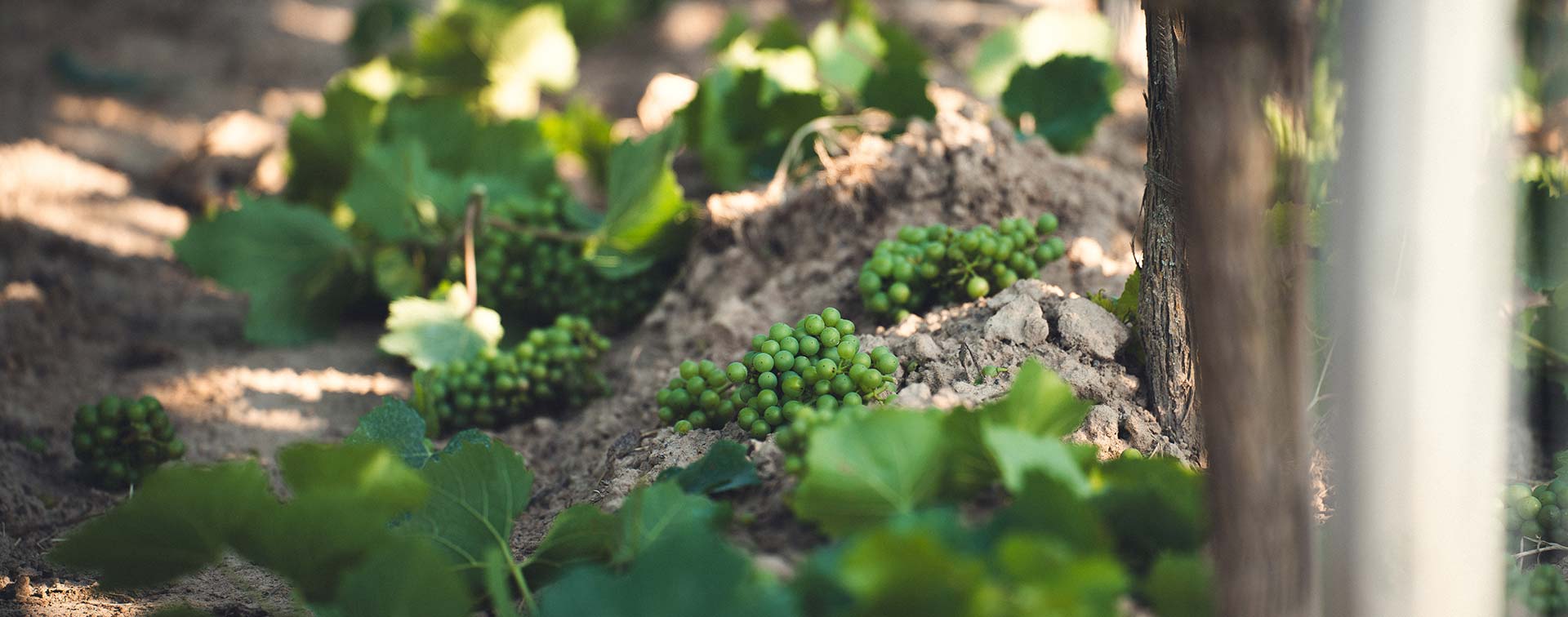
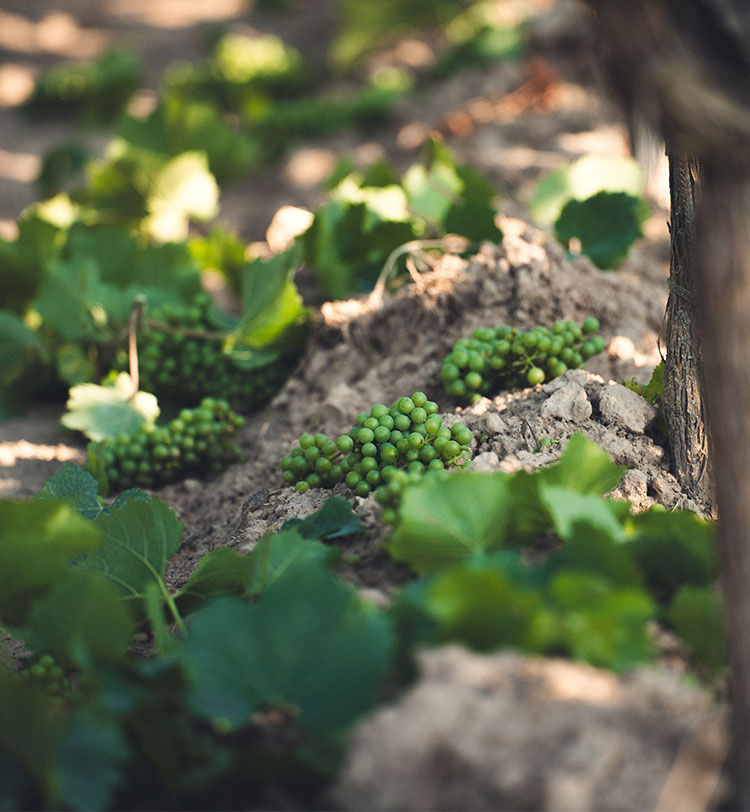
WENIGER TRAUBEN MIT HÖHERER QUALITÄT

Über die wärmeren Tage und vor allem Nächte treiben die Rebstöcke aus. Um bestmögliche Trauben zu gewinnen und die Pflanzen auf natürliche Art und Weise vor Krankheiten zu schützen, wird der Ertrag reduziert und sogenannten Verdichtungen vorgebeugt. Den Ertrag reduzieren bedeutet, dass Doppeltriebe entfernt werden, damit am Ende aus jeder Knospe ein einzelner Trieb wachsen kann. Damit verhindert man einen Wettkampf um die Nährstoffe. Durch die Reduzierung der Triebe, erhält man folglich weniger Trauben, diese sind dafür aber von höherer Qualität. Zudem werden schräg wachsende Triebe entfernt, um einen aufrechten Wuchs der Laubwand zu garantieren.

Feinarbeiten

PRECISE YIELD REDUCTION

A final, very important step is to reduce the yield by halving and thinning out the grapes. For Burgundy, we halve the grapes, while for Riesling we remove at least the third grape. Each step is carefully done by hand. At this time of the year, we always consciously remove a large part of the potential yield in order to increase the concentration and quality of the remaining grapes. The result is worth it. 

The finishing touches

The finishing touches

The anticipation in the vineyard is palpable. There is a bustling tension in the air. The harvest is imminent. This makes August a particularly intense phase for our team. The sunny days now provide the vines with light and warmth and stimulate aromatic ripening. In order to contribute to nature's work, fine work is still being carried out on the foliage and the grapes. In this way, the Dreissigacker team lays the optimal foundation for the harvest, vine by vine - and for an outstanding 2024 vintage.

Preparation for the harvest

Preparations for the new vintage

From the perfectly tended vineyard to the carefully prepared cellar. Even before the first grapes arrive, the cellar is tidied up and polished to a shine. To make room for the new vintage, we bottle the ripe wines that have been stored on the fine yeast. Emptied and thoroughly cleaned, the barrels and tanks are waiting to receive the wines of the 2024 vintage.

Preparation for the harvest

Preparations for the new vintage

From the perfectly tended vineyard to the carefully prepared cellar. Even before the first grapes arrive, the cellar is tidied up and polished to a shine. To make room for the new vintage, we bottle the ripe wines that have been stored on the fine yeast. Emptied and thoroughly cleaned, the barrels and tanks are waiting to receive the wines of the 2024 vintage.

Preparation for the harvest

Preparations for the new vintage

From the perfectly tended vineyard to the carefully prepared cellar. Even before the first grapes arrive, the cellar is tidied up and polished to a shine. To make room for the new vintage, we bottle the ripe wines that have been stored on the fine yeast. Emptied and thoroughly cleaned, the barrels and tanks are waiting to receive the wines of the 2024 vintage.

Preparation for the harvest

Preparations for the new vintage

From the perfectly tended vineyard to the carefully prepared cellar. Even before the first grapes arrive, the cellar is tidied up and polished to a shine. To make room for the new vintage, we bottle the ripe wines that have been stored on the fine yeast. Emptied and thoroughly cleaned, the barrels and tanks are waiting to receive the wines of the 2024 vintage.

More to come

Stay tuned...

The wine year is progressing and we are already looking forward to the upcoming tasks in the winery. Next, we will deal with the soil planting in the vineyard. Due to the warm weather of the last few weeks, the vines are beginning to sprout and the new vintage is taking shape. But more about that soon.