

Biodynamic viticulture
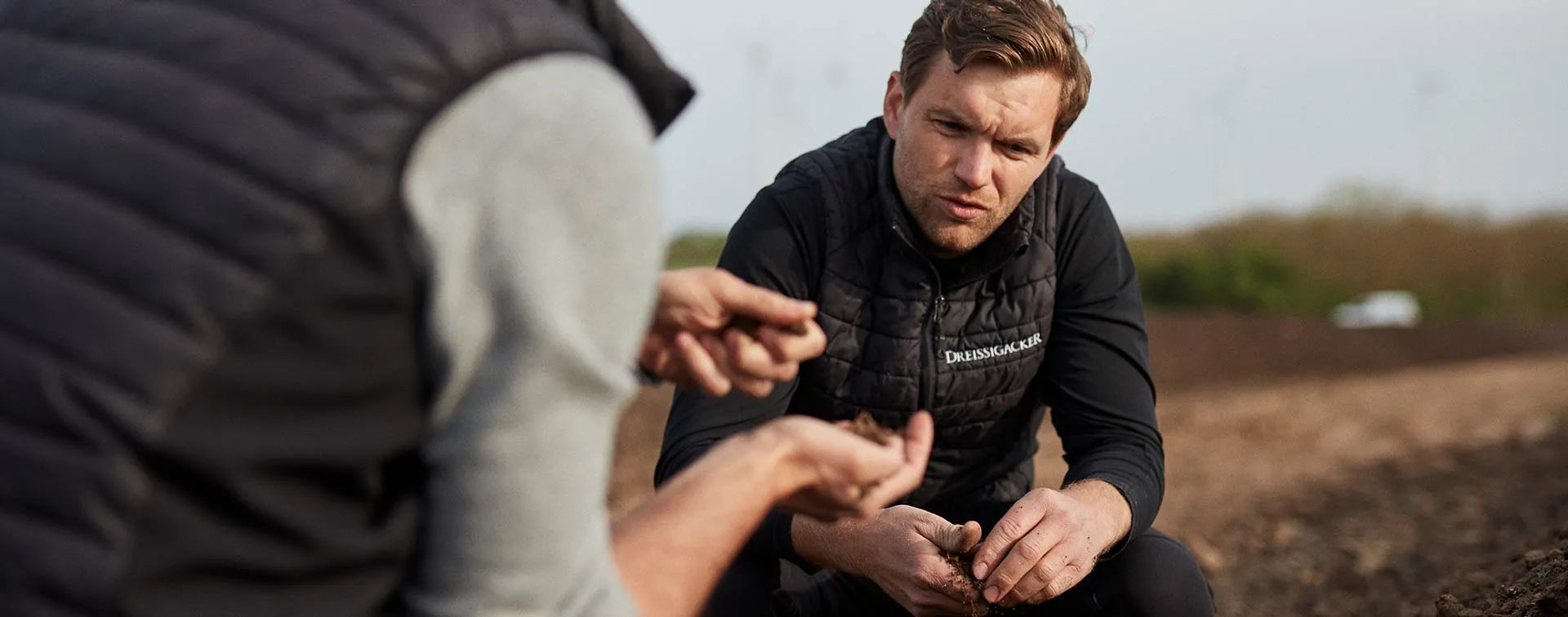
Biodynamic viticulture, in Jochen Dreissigacker's view, is the logical next step for anyone who engages seriously with organic viticulture. The estate completed its conversion to biodynamic practice in 2019.
Biodynamic viticulture means working as close to nature as possible, to create the best conditions for the wine to thrive. Its guiding idea is to work holistically. Nature supports, protects and strengthens itself in recurring cycles. Not only the vine but the entire estate is therefore part of one organism with complex cycles. The biodynamic winemaker captures the forces of nature, uses them and returns them to the cycle. The grapes and ultimately the wine gain outstanding quality, while nature is strengthened for the long term. It is a give and take, a form of mutual respect. Only this way can the vine's cycle find its balance.
Working in cycles
Instead of mineral fertiliser, biodynamic viticulture uses what are known as preparations. They vitalise soil and plants and have a positive effect on grape quality. A distinction is made between compost preparations and spray preparations.
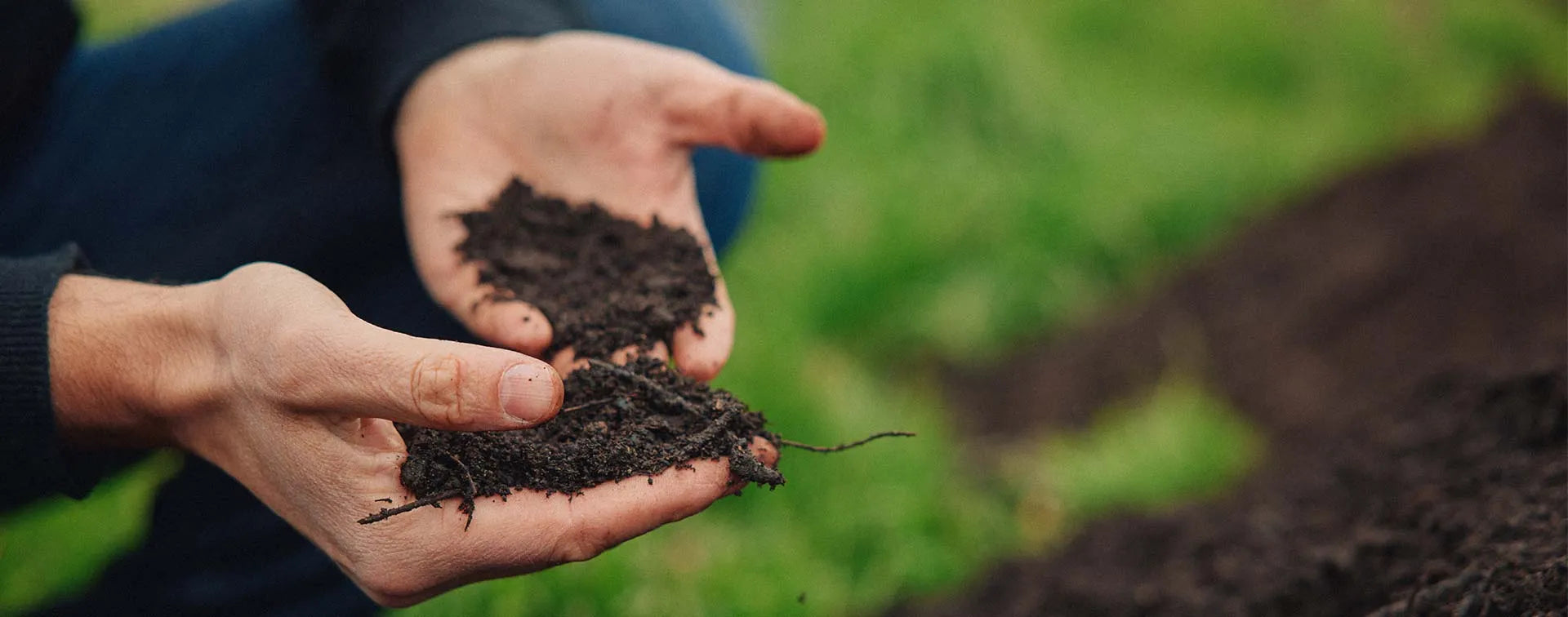
To stay true to the biodynamic principle and support the vitality of the soil, the compost is made on the estate, from green cuttings, cattle manure, grape pomace and earth. These are layered, mixed and aerated to add oxygen. What emerges from this long, careful preparatory work is not just healthy earth but black gold, which allows the soils to regenerate themselves over the long term.
Worked into the soil, the compost builds up humus content and stores CO2, an essential contribution to climate neutrality.
Horn manure and horn silica are applied in homeopathic doses in the biodynamic vineyard. They support soil life and improve the ageing potential of the wine.
It is a long-term investment in nature and in the wines, a vision, a cycle.

