

Dreissigacker Weinjahr
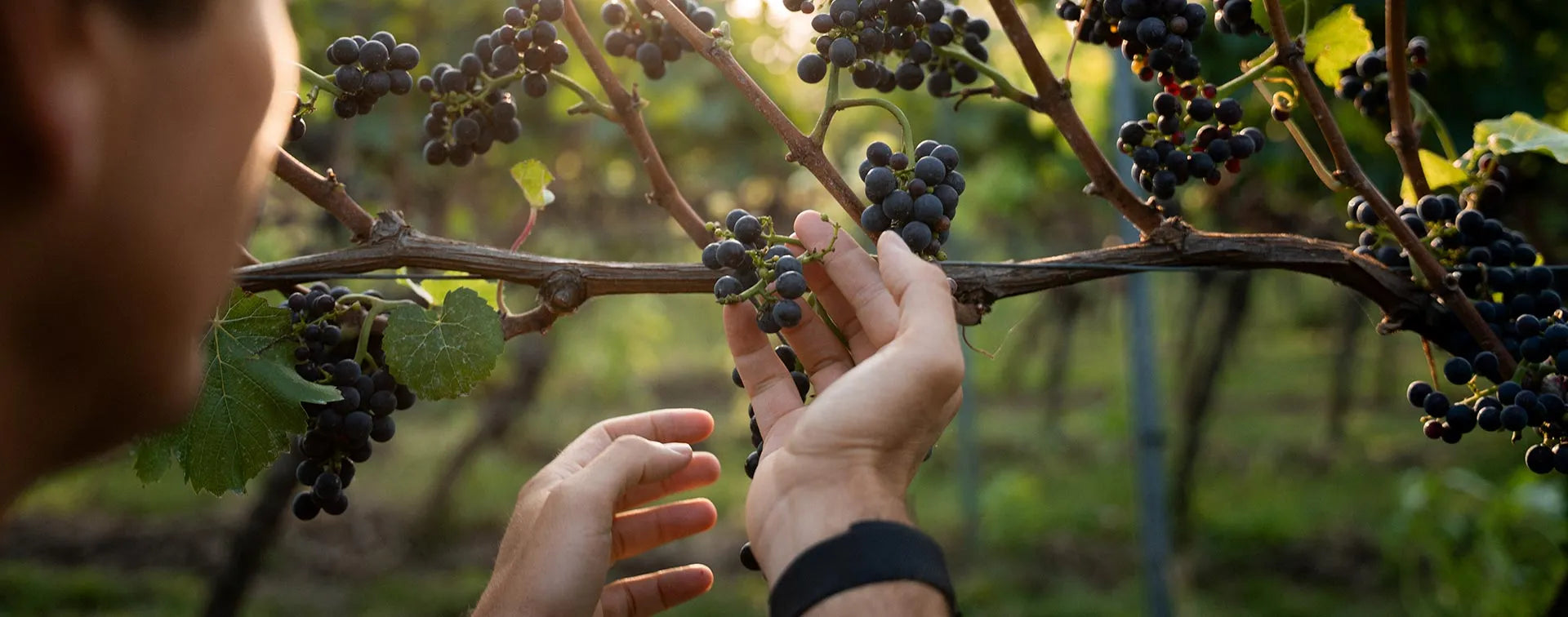
Das ganze Jahr über dreht sich auf dem Weingut Dreissigacker alles um die beste Weinqualität. Zunächst liegt der Fokus auf dem Weinberg mit der optimalen Bodenqualität, dem Schutz der Reben, über die Ertragsreduzierung bis hin zum optimalen Lesezeitpunkt. Die biodynamische Bewirtschaftung unserer Weinberge fordert viel Aufmerksamkeit und Verständnis für den natürlichen Kreislauf. Nach der Lese geht es für das Team Dreissigacker mit vollem Fokus im Keller weiter. Die Weine werden in Ruhe ausgebaut, cuvéetiert und schließlich auf die Flasche gefüllt. In der Dreissigacker Academy zeigen wir, wie ein Jahrgang über das gesamte Weinjahr entsteht.
Neubeginn
Eines neues Jahr mit Dreissigacker
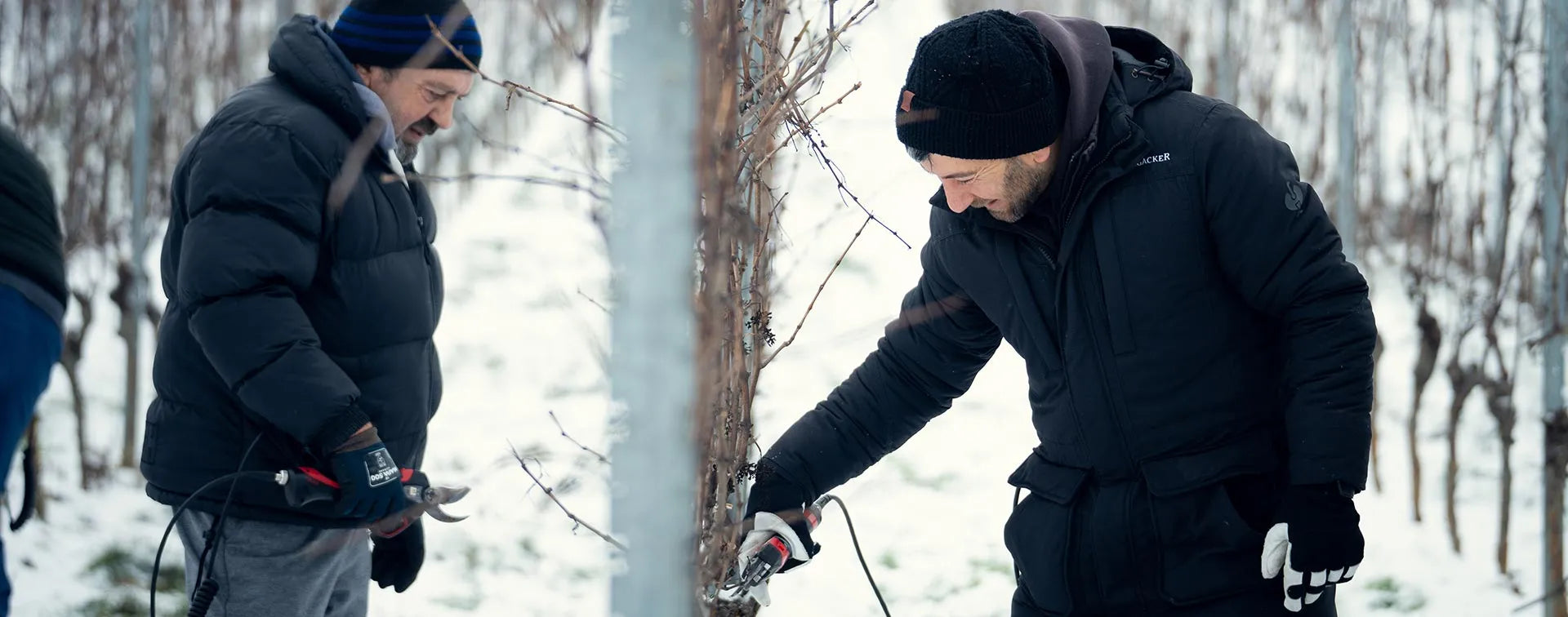
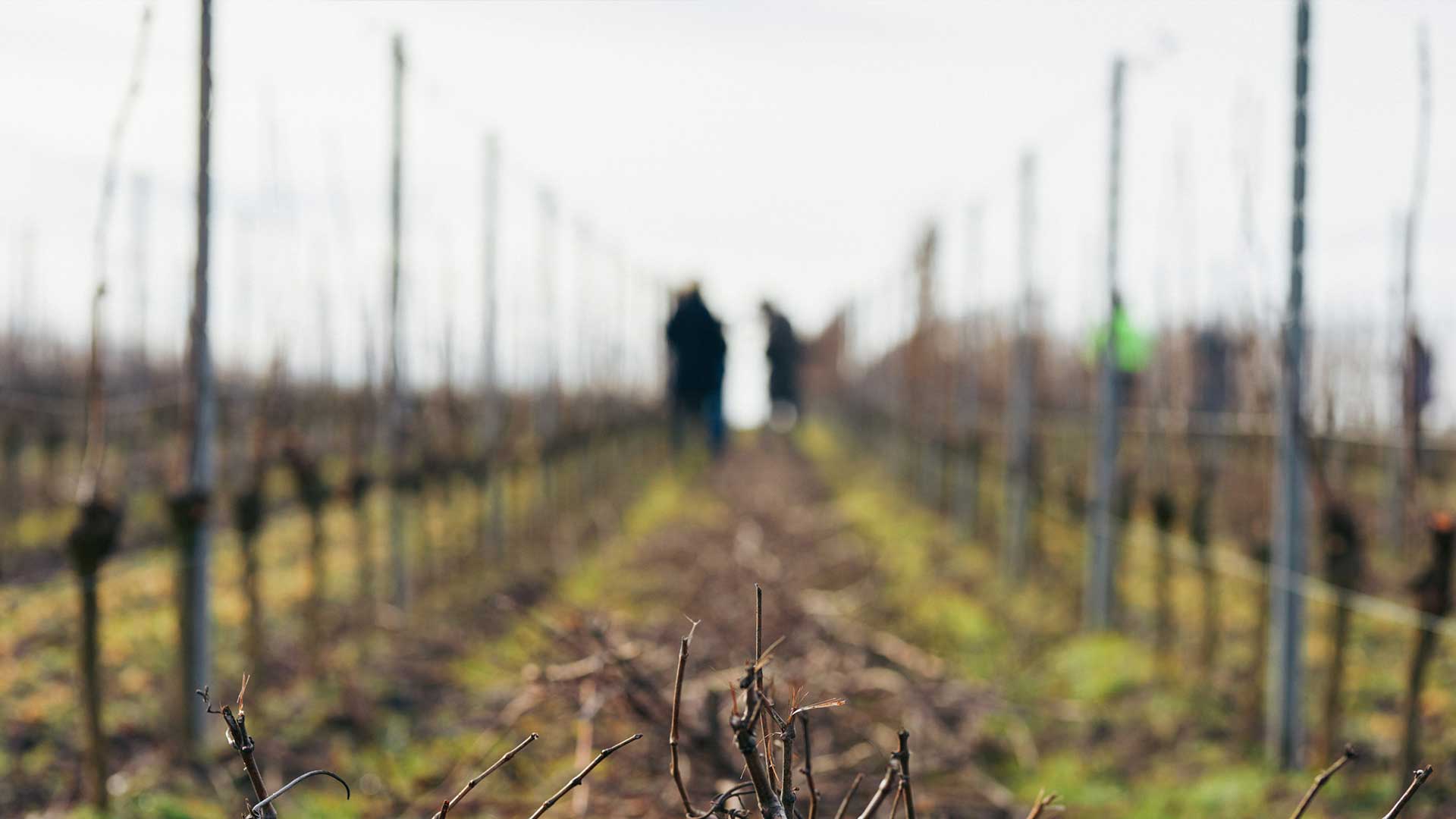
In den nächsten Wochen geben wir Ihnen Einblicke in die Kreation des neuen Jahrgangs 2025 – beim Cuvéetieren zählen höchste Konzentration, Hingabe und Detailversessenheit. Im Weinberg ist unser Team bereits seit Beginn des Winters mit dem Rebschnitt beschäftigt – der Grundstein für alle kommenden Jahrgänge. Dabei wird jeder Rebstock auf einen einzigen Trieb reduziert, damit er seine volle Vitalität entfalten kann. Die geschnittenen Reben verbleiben als Häckselgut im Weinberg und bilden die Grundlage für unseren Humus. So werden sie in den Kreislauf zurückgeführt. Sobald die Schnittarbeiten abgeschlossen sind, binden wir die Rebstöcke sorgfältig an, um ihnen ausreichend Stabilität für das Wachstum zu geben.
Biegen und Binden
STÜTZEN UND STÄRKEN
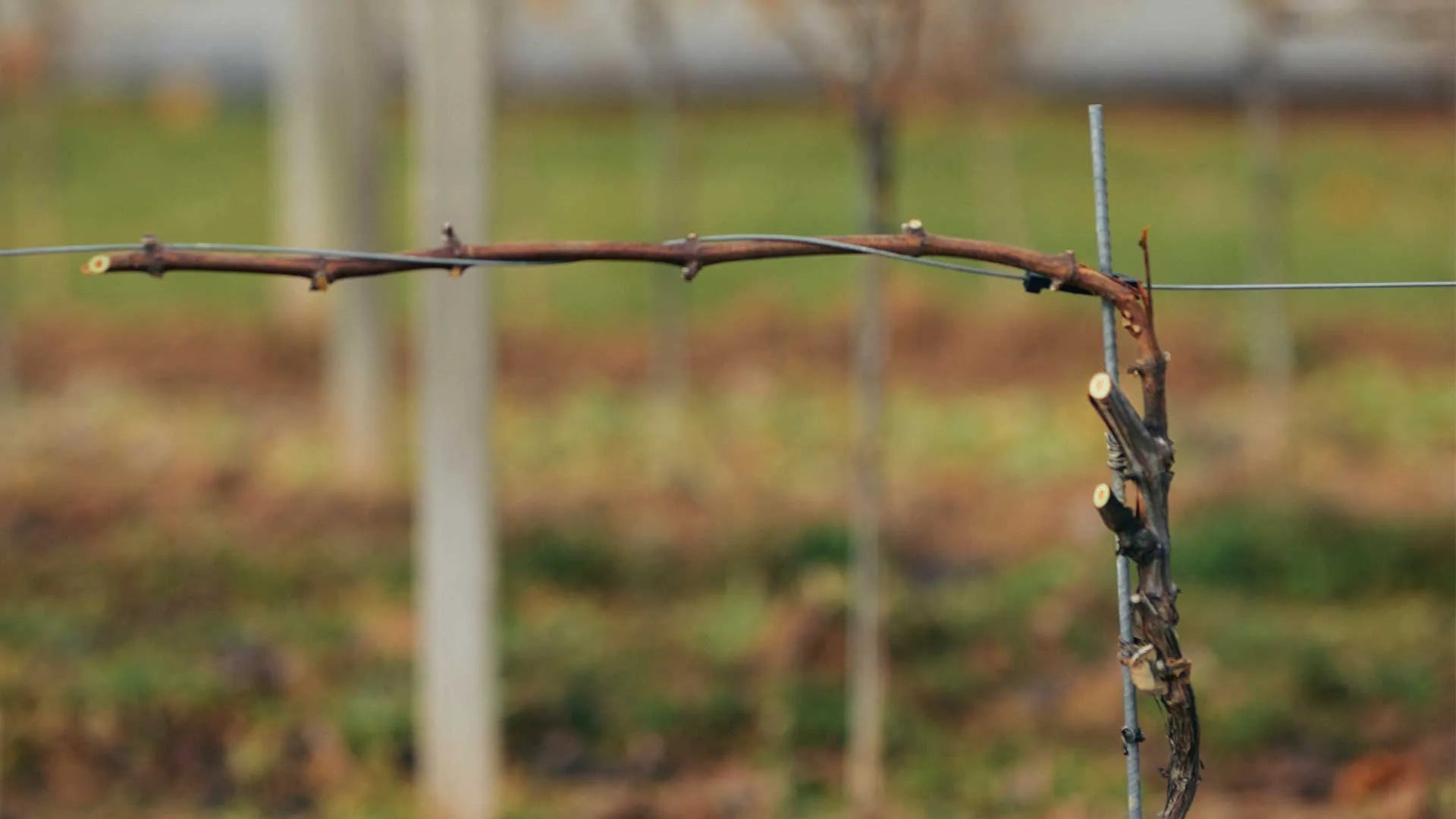
Der Rebschnitt liegt noch nicht lange zurück. Dabei wurden die Reben auf einen einzigen vielversprechenden Trieb reduziert. Dieser bündelt die gesamte Vitalität des Bodens in sich und den Trauben, die einmal an ihm wachsen werden. Alle anderen Triebe wurden kompromisslos entfernt. Nach unzähligen gezielten Schnitten steht schließlich das Anbinden der Reben an.
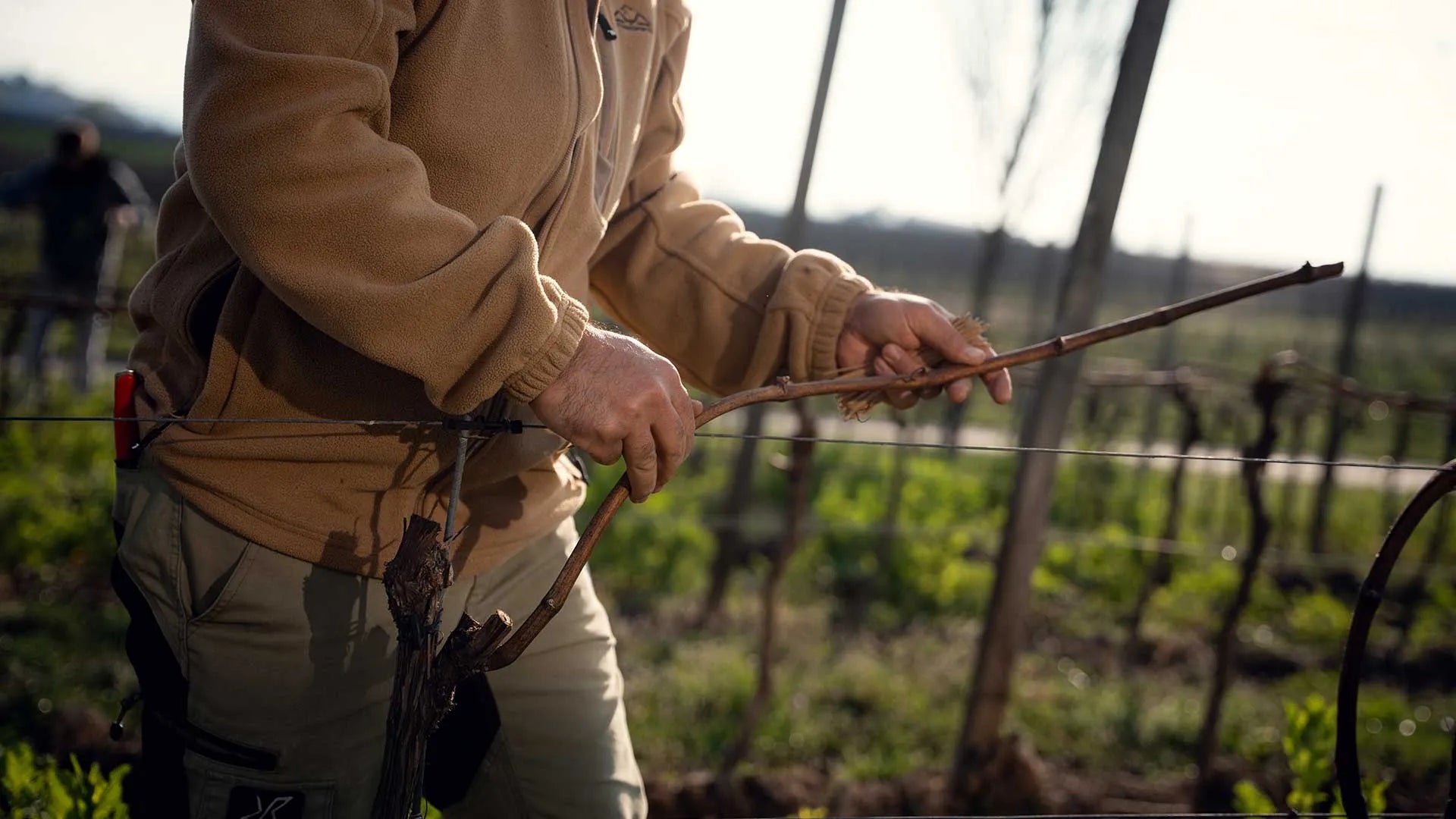
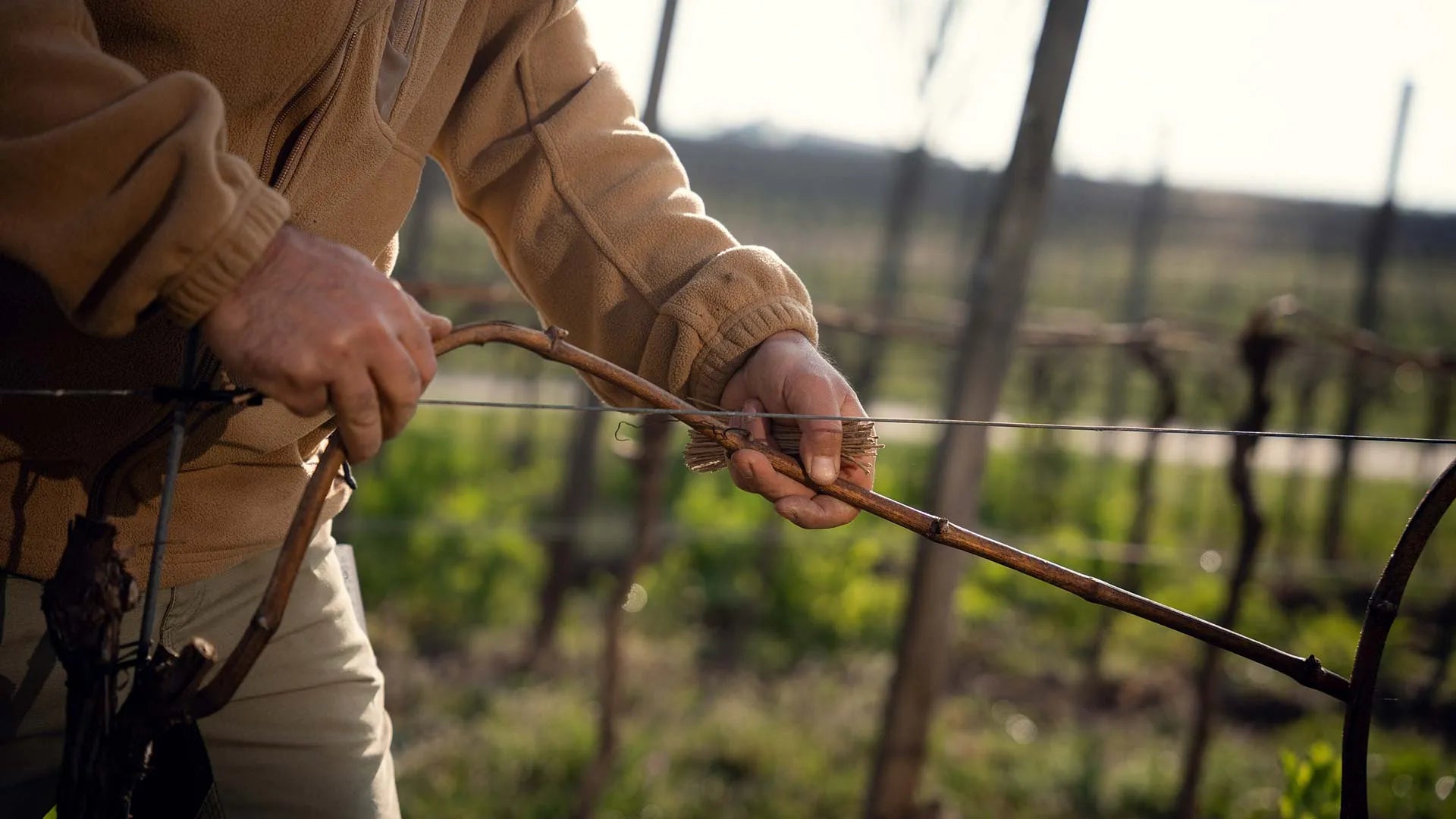
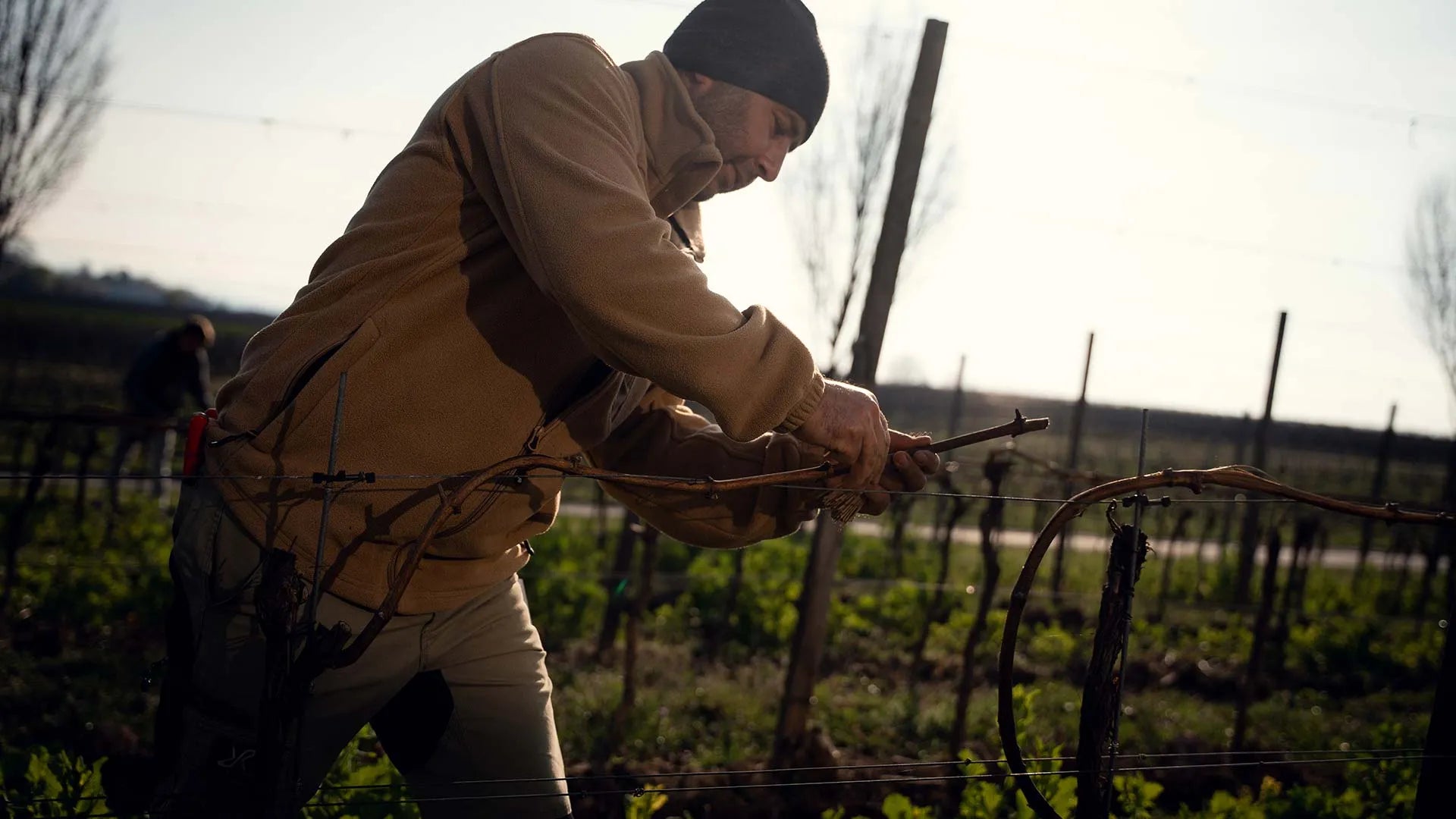
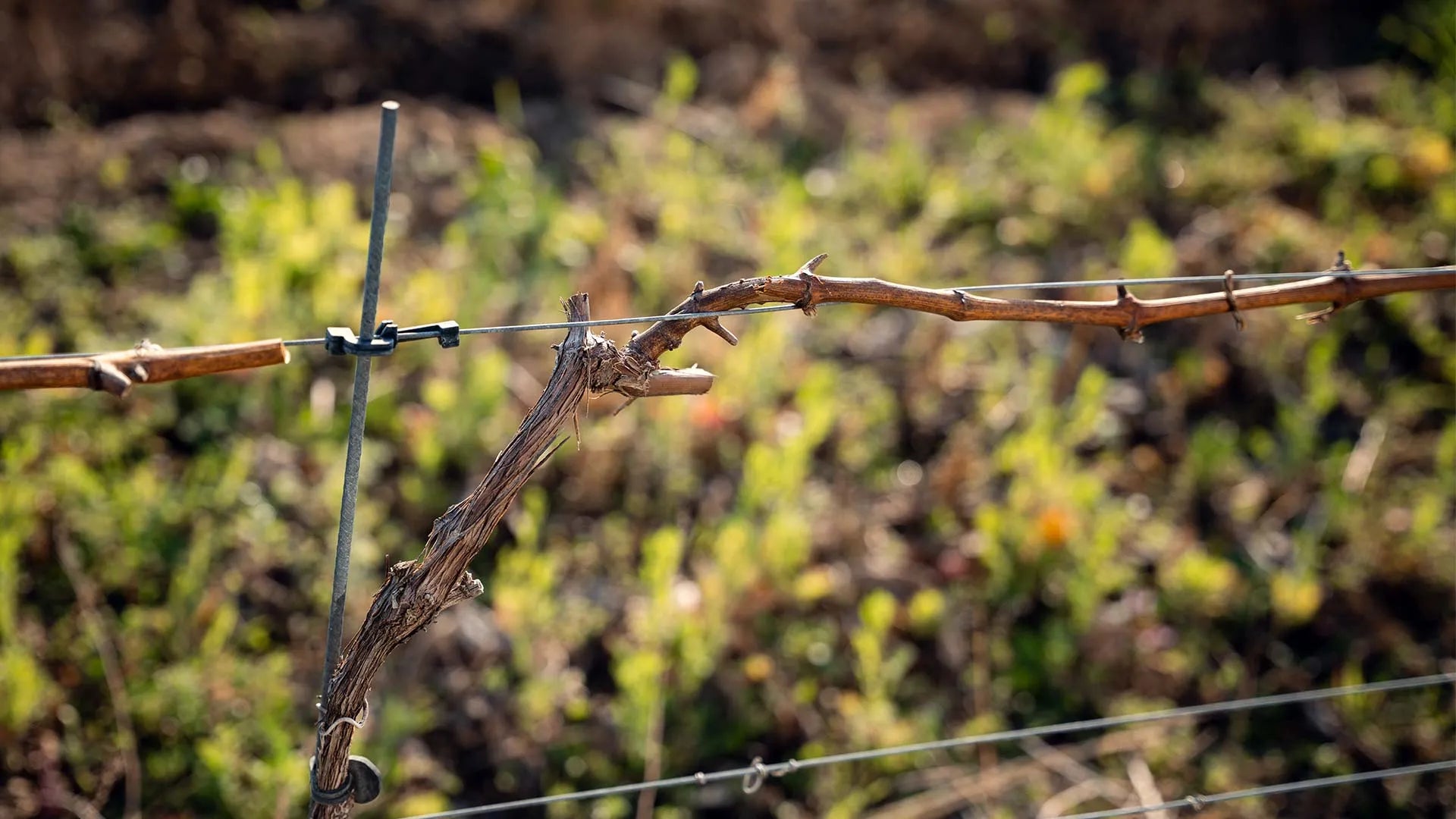
So that the fruit and the canopy find enough support on the chosen cane, we stabilise it by tying it to the wire frame. To do that it first has to be bent over the wire. Bending calls for a particular measure of experience, skill and feel, qualities every member of the team brings.
NEUPFLANZUNG
WO DIE REBEN WACHSEN
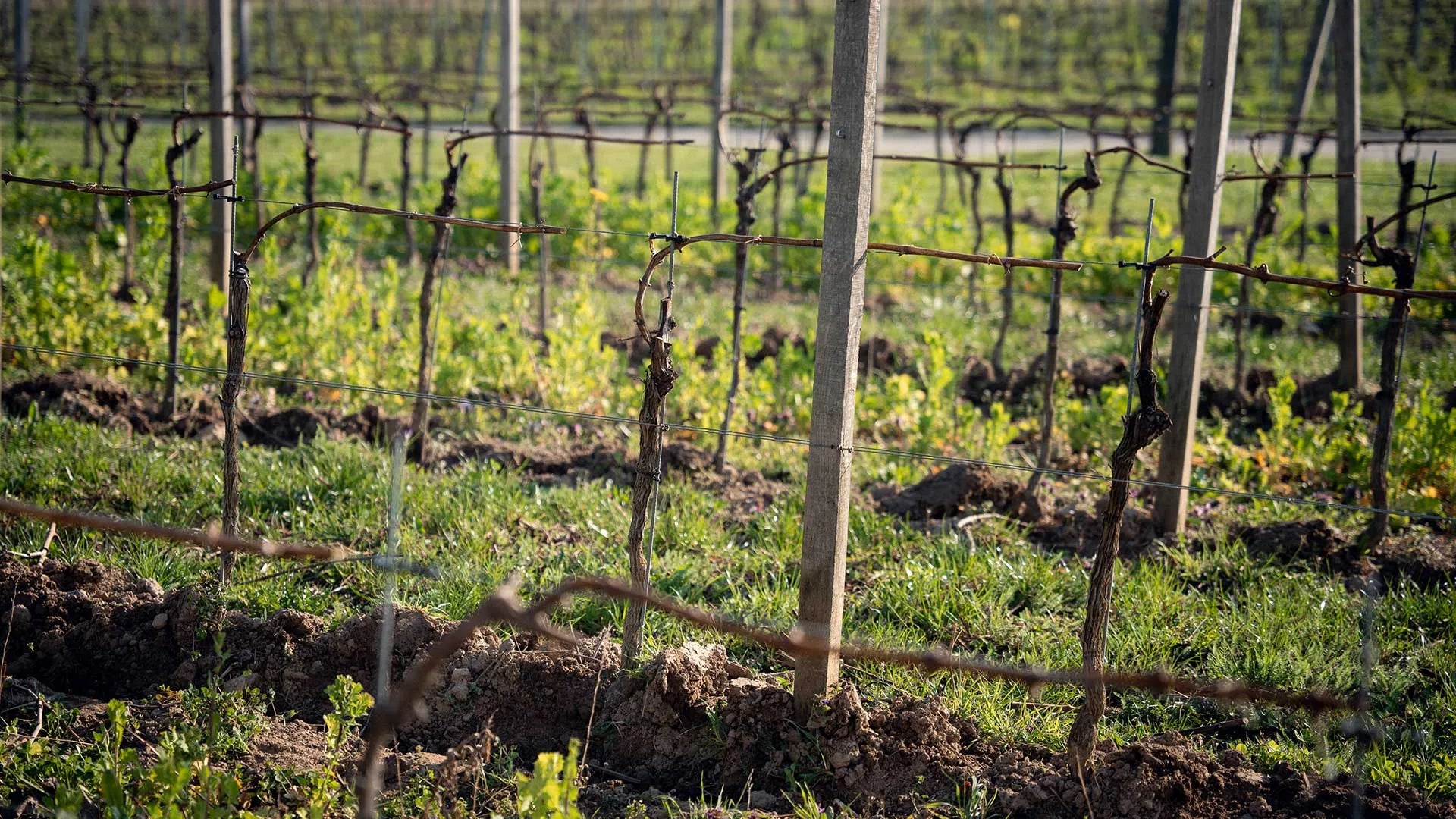
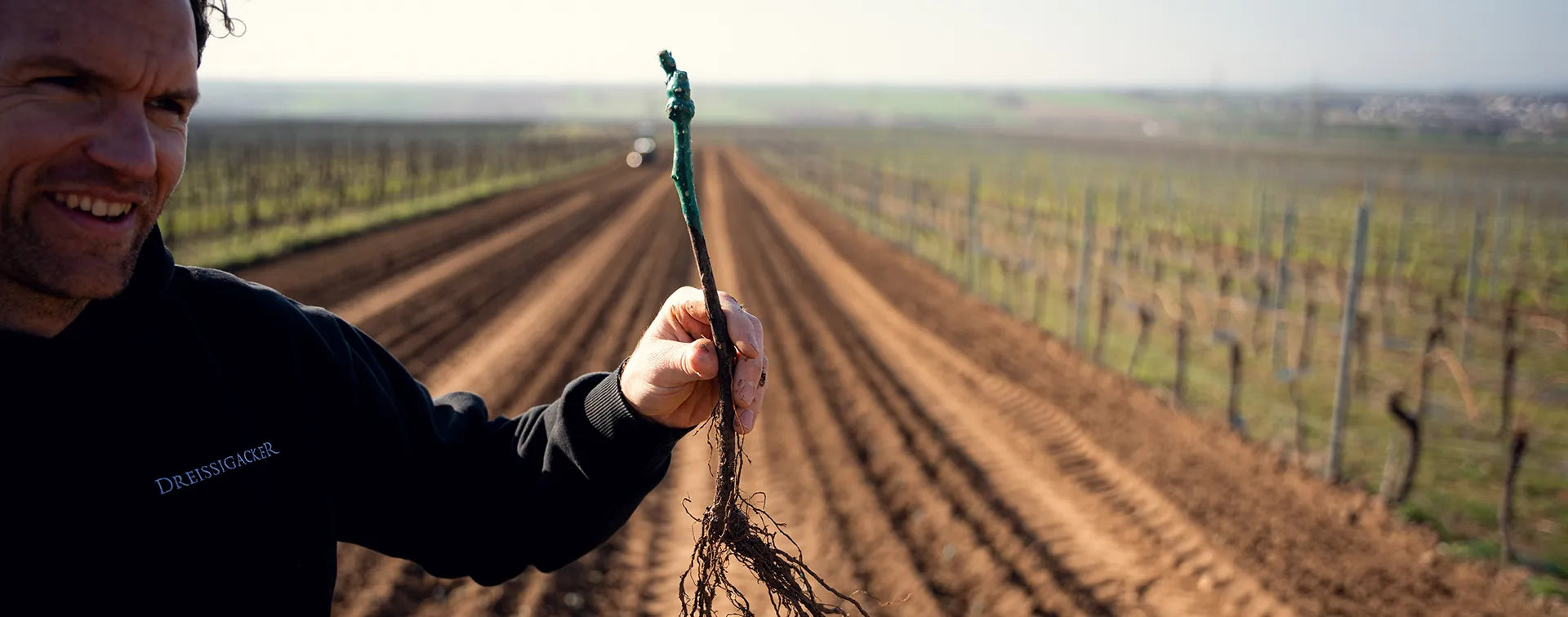
Ganz unscheinbar ragen sie im Frühjahr aus dem Boden – kaum mehr als ein dünner Trieb, und doch tragen sie das ganze Potenzial eines künftigen Jahrgangs in sich. Damit die jungen Pflanzen gut anwachsen, muss der Zeitpunkt passen: Der Boden sollte locker, aber nicht zu feucht sein – bereit, die zarten Wurzeln aufzunehmen. Sorgfältig werden die Reben in vorbereitete Furchen gesetzt, anschließend schmiegt sich die Erde schützend um sie.
Auch der Abstand zwischen den Pflanzen ist entscheidend. Stehen sie dichter, wächst der Wettbewerb um Nährstoffe – und die Reben schicken ihre Wurzeln tiefer in den Boden. Das stärkt ihre Widerstandskraft und legt den Grundstein für langlebige, charakterstarke Weine.
Ausbringen der Pheromone
Ausbringen der RAK Ampullen
Ein gesundes Ökosystem schafft es, aus sich selbst heraus Kraft zu schöpfen, sich eigenständig gesund zu erhalten und zu stärken. Wir glauben an die Grundsätze der Biodynamie und greifen daher in unseren Weinbergen auch nicht invasiv in die natürlichen Vorgänge ein. Und doch bedarf es hin und wieder einem sanften Lenken in die richtige Richtung – oder in die falsche. So halten wir es zumindest mit den Schädlingen, vor denen wir unsere Reben schützen müssen. Um die kostbaren Pflanzen vor größerem Schaden durch den Traubenwickler zu bewahren, bringen wir Pheromon-Ampullen aus, die den Geruch des Traubenwickler-Weibchens verströmen. Auf diese Weise verliert allein der Schädling die Orientierung. Nützlinge und Natur bleiben hiervon unberührt. Wir nutzen die ureigenen Mittel der Natur, um sie zu schützen – und schließen auch hier einen biodynamischen Kreis.
Die DÜNGUNG
Kompost aus eigener Herstellung
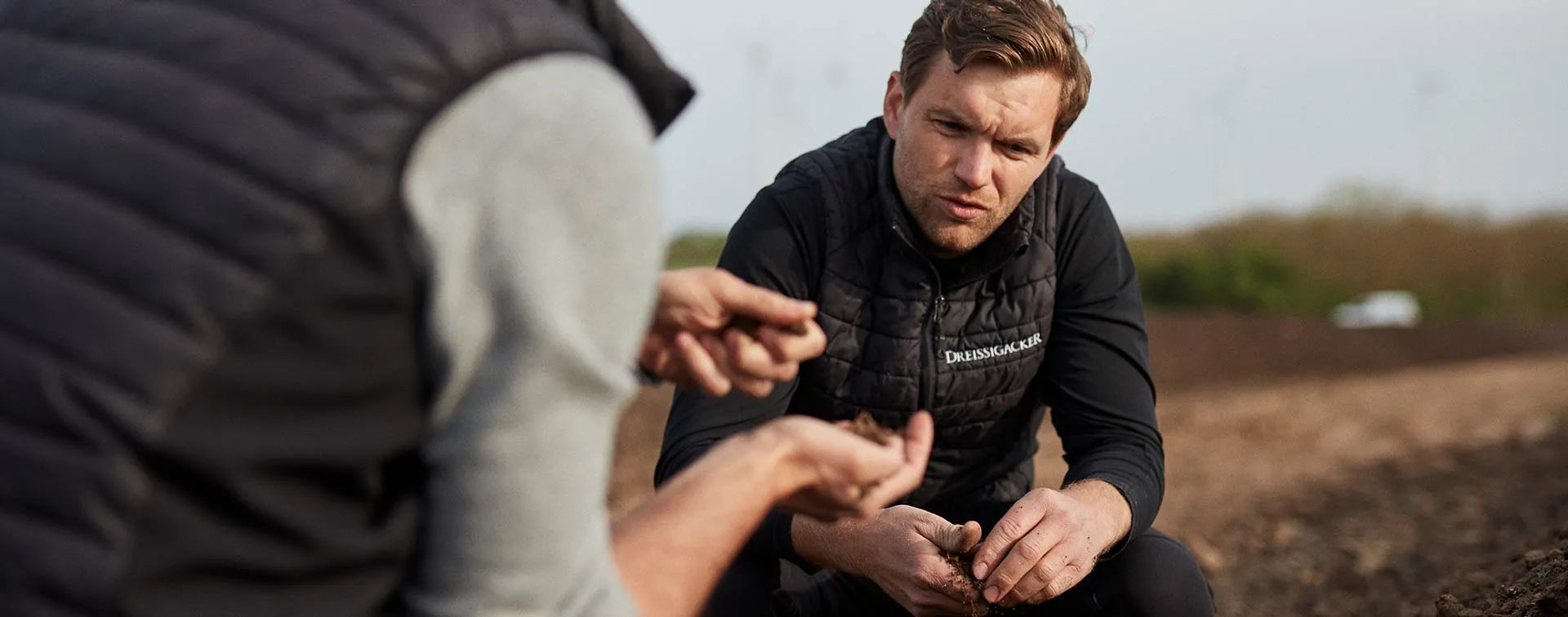
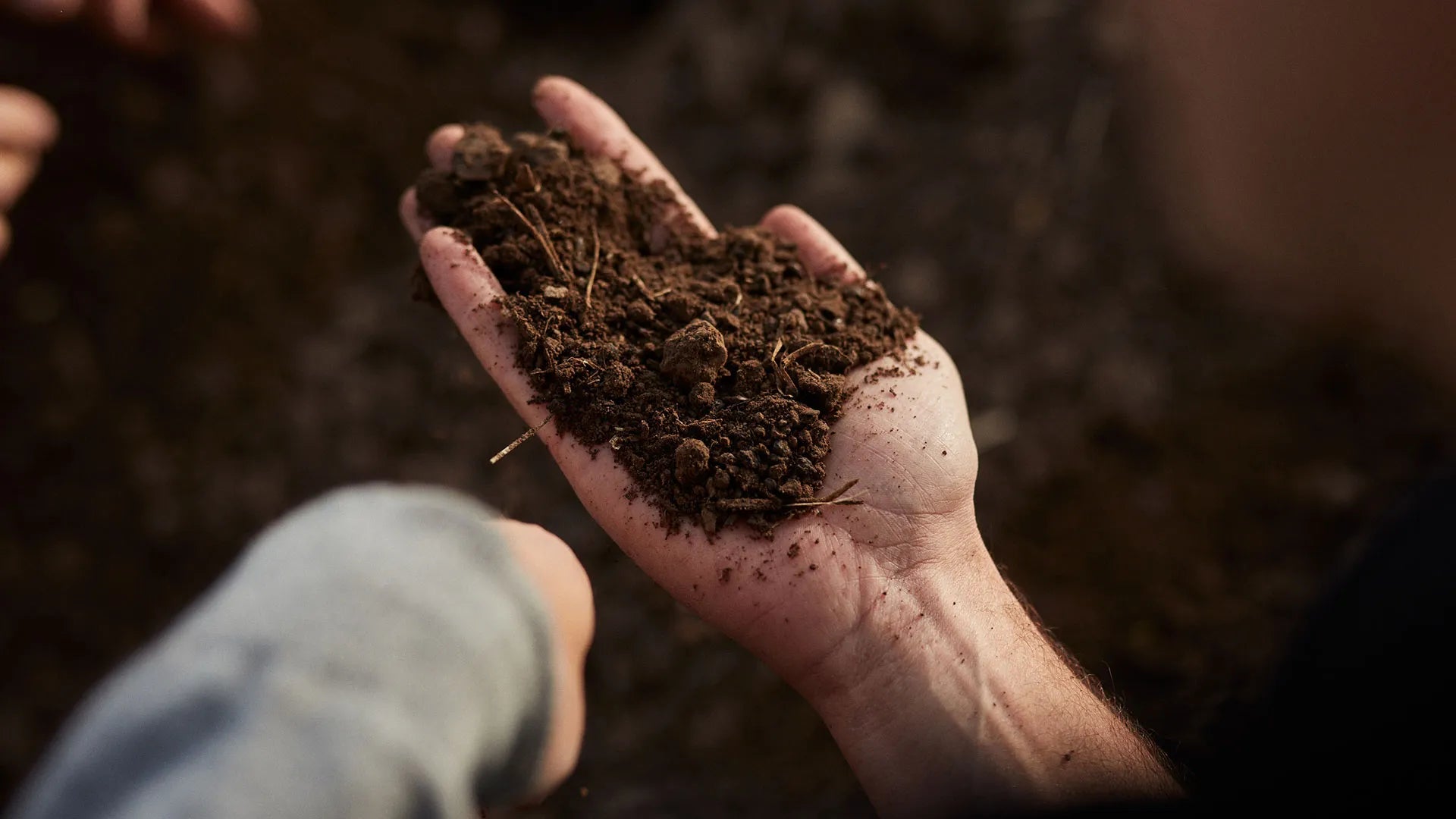
Ein fruchtbarer Boden bildet die Grundlage für gesunde, gut wachsende Pflanzen und eine hochwertige Ernte. Die Düngung der Böden ist maßgeblich für die Bodengesundheit verantwortlich und nimmt auf dem Weingut Dreissigacker einen enorm hohen Stellenwert ein. Auch bei der Düngung achten wir kompromisslos auf Biodynamie und naturnahe Bewirtschaftung. Daher stellen wir unseren Dünger selbst her. Dieser besteht jeweils zu einem Drittel aus Kuhmist, Häckselgut und Grünschnitt. Wir setzen den Dünger jedes Jahr im Oktober an, kompostieren ihn circa acht bis zehn Wochen bei maximal 70 Grad und lassen ihn schließlich abgedeckt ruhen. In den ersten Aprilwochen bringt das Dreissigacker Team den Dünger auf den Weinbergen aus. Dort wird er sofort in den Boden eingearbeitet, sodass die vorhandenen Mikroorganismen, die für die Biodiversität des Bodens essenziell sind, vor UV-Licht geschützt, im Boden weiterarbeiten können. Die handwerkliche und nachhaltige Bewirtschaftung unserer Weinberge bildet den Grundstock unseres Verständnisses von naturnahem und biodynamischem Weinbau. Mit der Düngung im April sorgen wir für ein gesundes Bodenleben und beste Voraussetzungen für den nächsten Jahrgang.
Ertragsreduktion
Weniger Trauben mit höherer Qualität
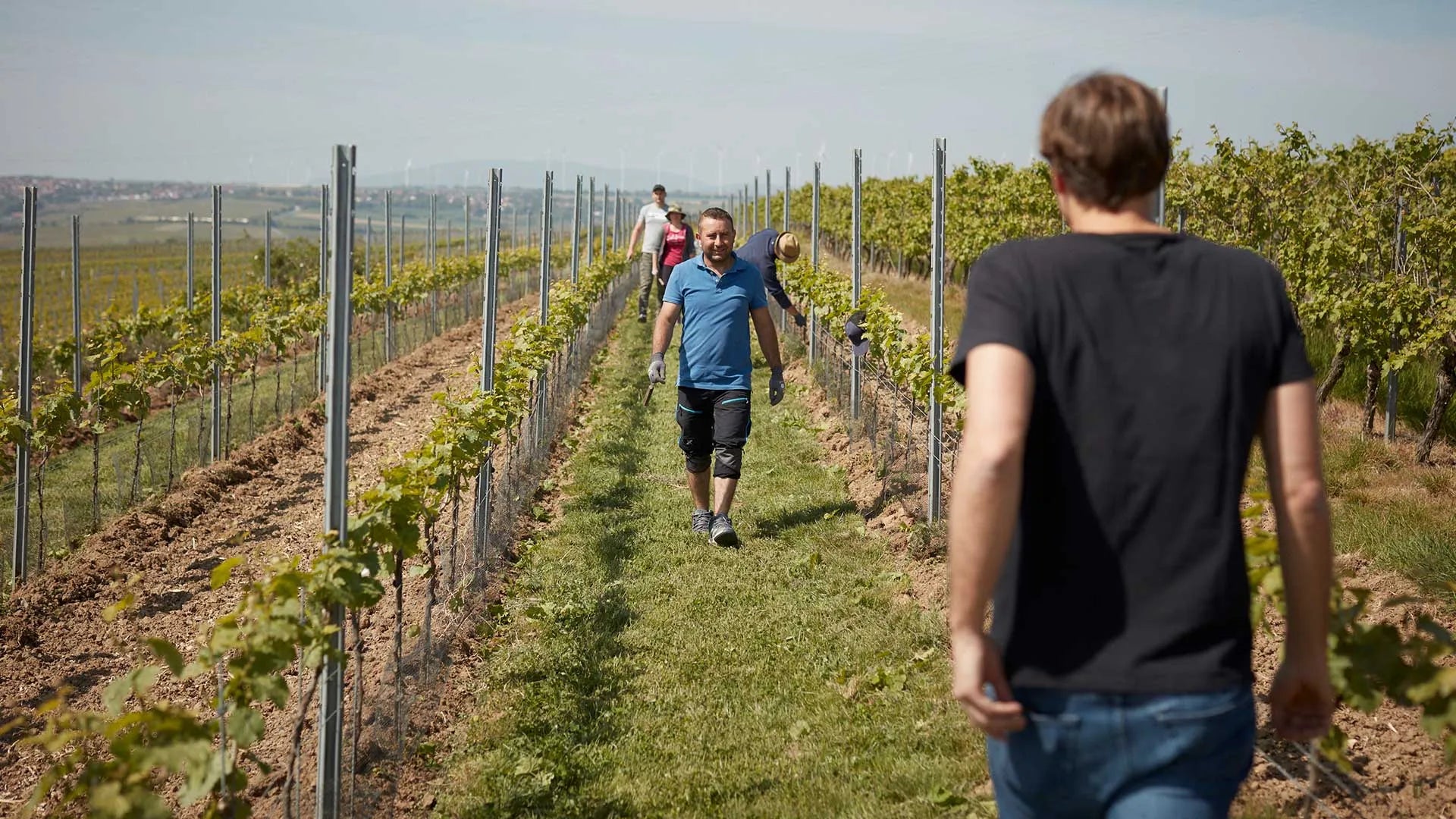
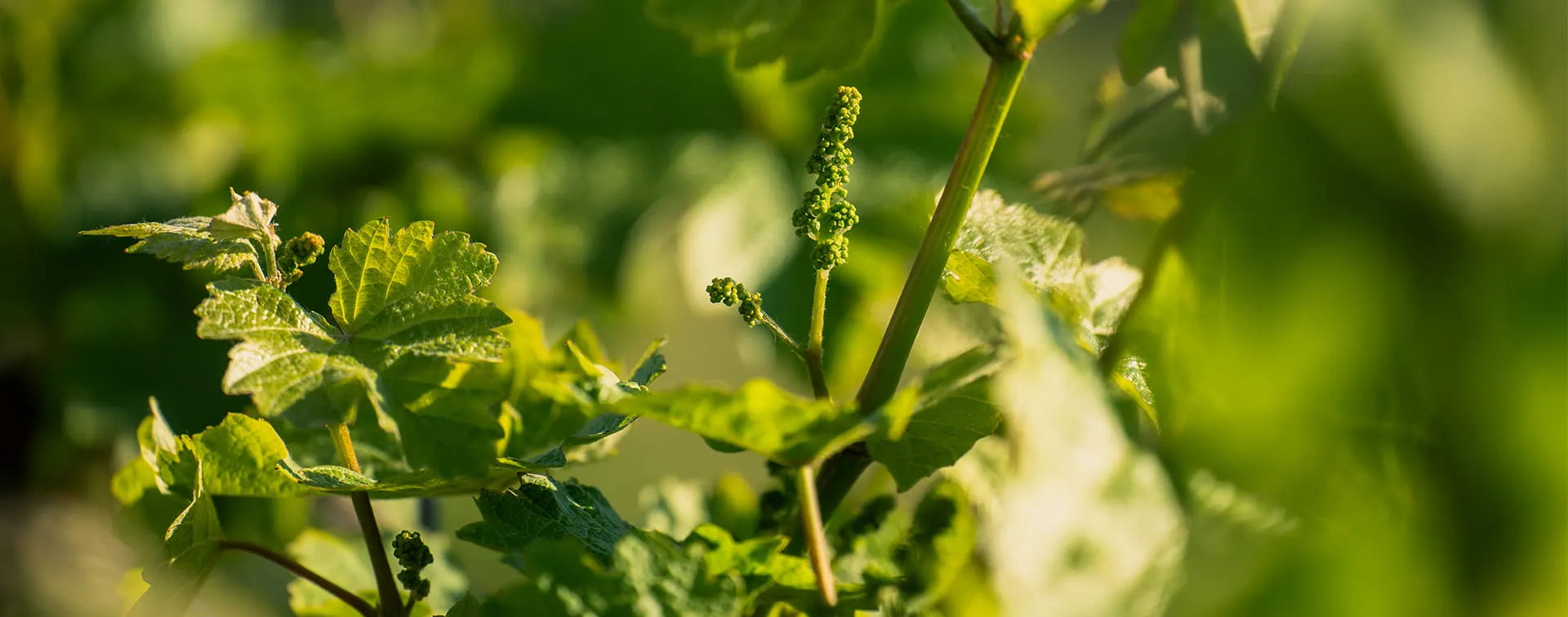
Über die wärmeren Tage und vor allem Nächte treiben die Rebstöcke aus. Um bestmögliche Trauben zu gewinnen und die Pflanzen auf natürliche Art und Weise vor Krankheiten zu schützen, wird der Ertrag reduziert und sogenannten Verdichtungen vorgebeugt. Den Ertrag reduzieren bedeutet, dass Doppeltriebe entfernt werden, damit am Ende aus jeder Knospe ein einzelner Trieb wachsen kann. Damit verhindert man einen Wettkampf um die Nährstoffe. Durch die Reduzierung der Triebe, erhält man folglich weniger Trauben, diese sind dafür aber von höherer Qualität. Zudem werden schräg wachsende Triebe entfernt, um einen aufrechten Wuchs der Laubwand zu garantieren.
Heften
IM TAKT DER TRIEBE
Das Heften zählt zu den wiederkehrenden, strukturgebenden Arbeitsschritten im Weinberg. In einem Rhythmus von acht bis zehn Tagen widmen wir uns jedem einzelnen Rebstock - bis sich die Laubwand gegen Ende Juni vollständig geschlossen hat. Der Rebstock wächst kraftvoll dem Licht entgegen. Unsere Aufgabe ist es, dieses Wachstum zu begleiten und in Form zu bringen. Mithilfe von Haftdrähten formen wir eine aufrechte, gleichmäßige Laubwand.
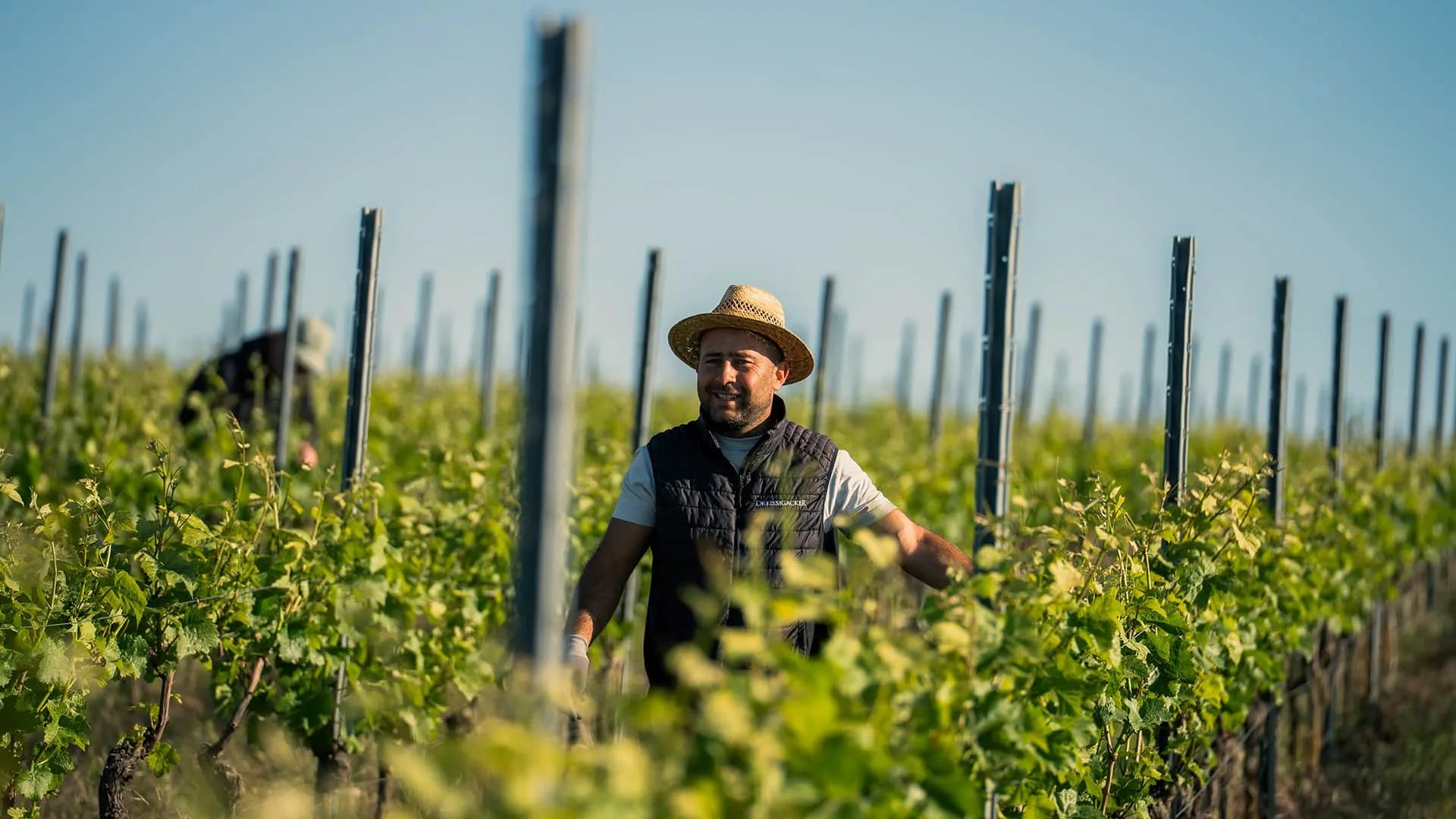
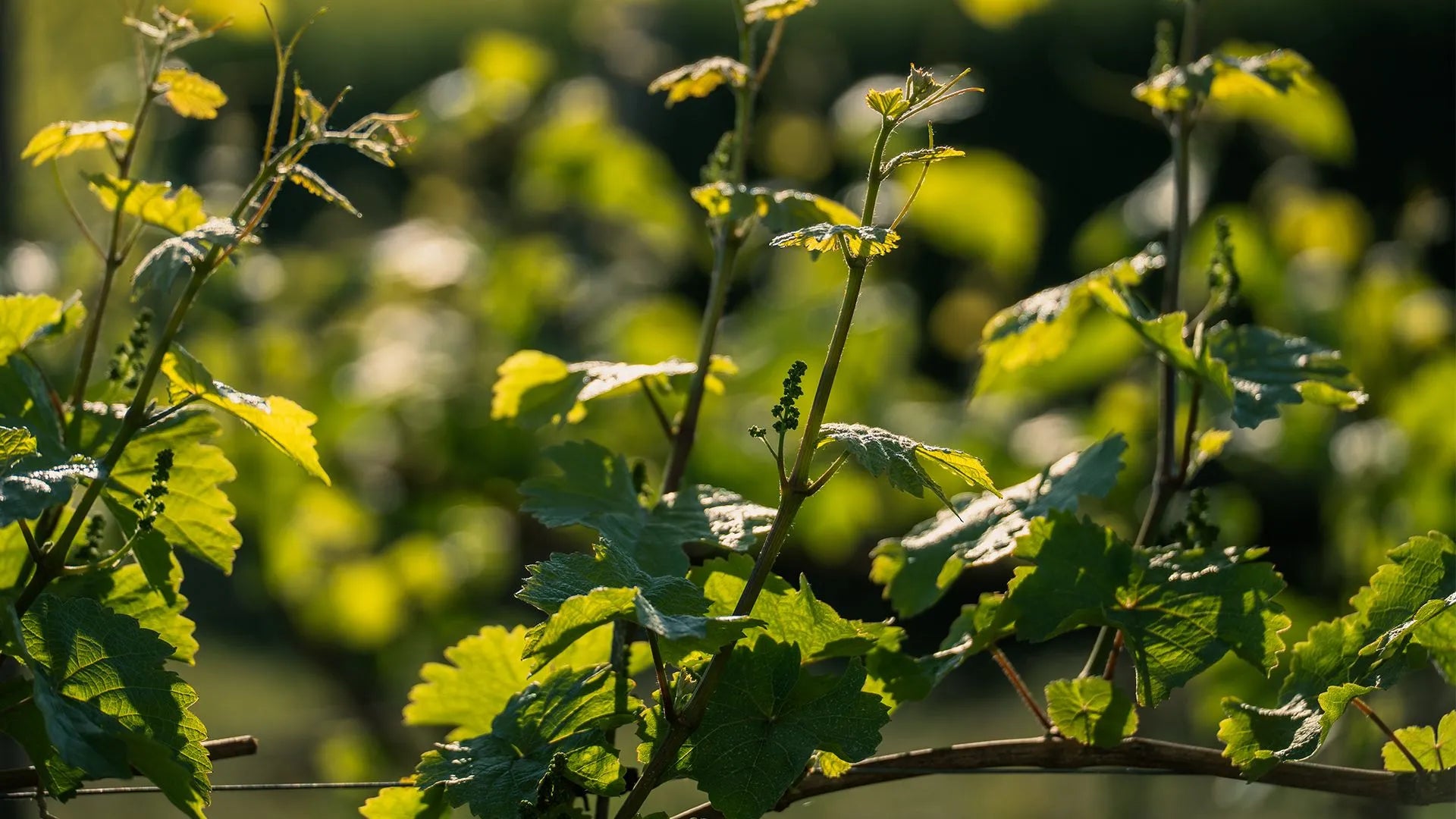
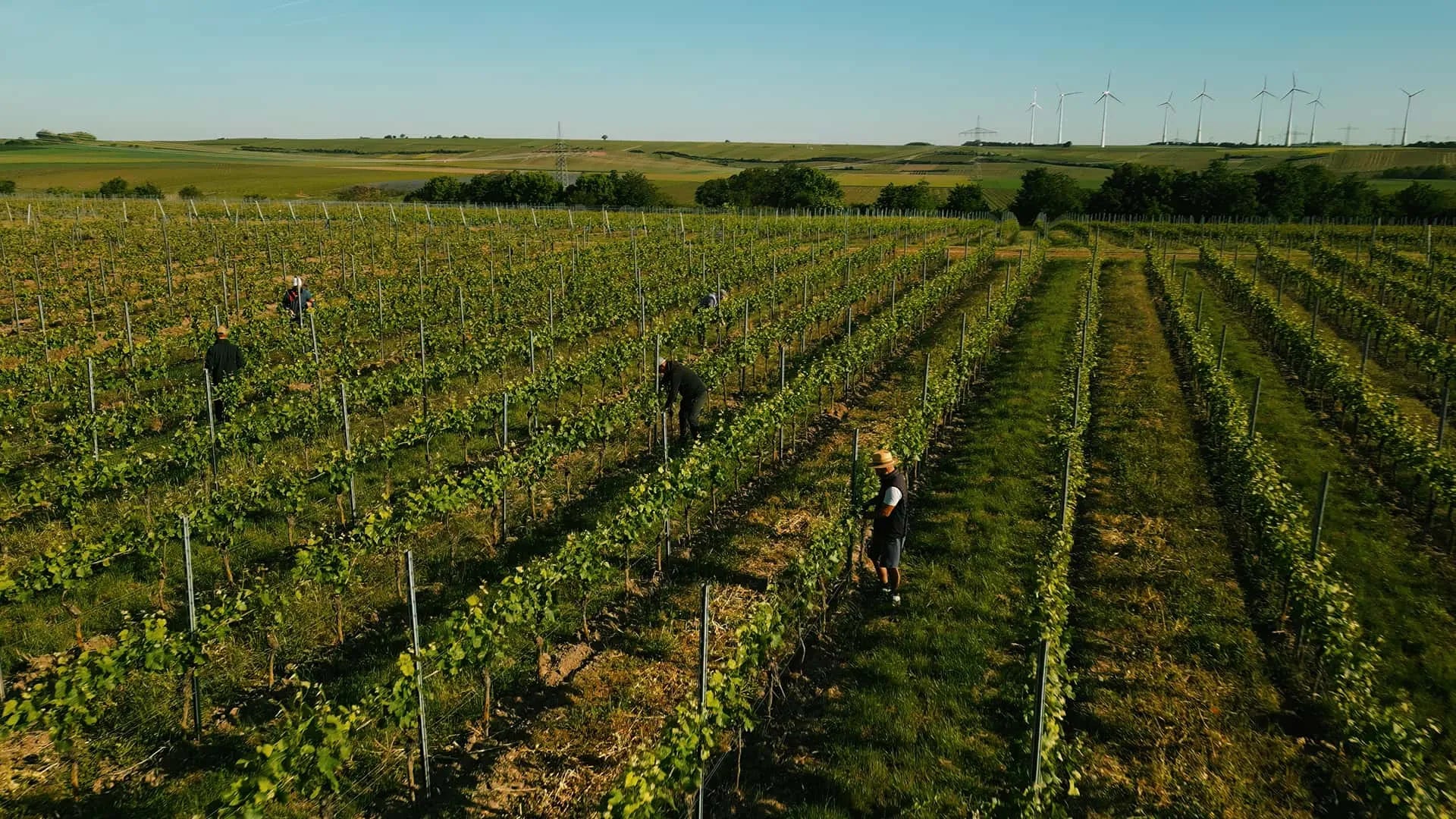
The young shoots are gathered gently, fixed in place and guided again and again. What is put in order now pays off later: an open structure means more air and more light, and creates the best conditions for healthy, high-quality fruit.
Es geht weiter
Bleiben Sie auf dem Laufenden
Mit den Dreissigacker News bleiben Sie immer auf dem Laufenden und erhalten alle Neuigkeiten zum Weinjahr direkt in Ihr Postfach!

